
Education
Must-Read Books for Understanding American History


Knowing American history is key to appreciating its unique identity, cherished values, and progressive journey. Diving deep into selected books provides valuable knowledge about the events, beliefs, and influential people shaping this nation’s story. The handpicked list below gives a theme-wise understanding for an in-depth view of America’s rich past.
Foundational Narratives
To grasp the roots of America, you must explore writings on its early growth. Howard Zinn penned “A People’s History of the United States.” The work shows American history through the lens of lesser-heard voices. He highlights stories from Indigenous peoples, African Americans, and laborers.
On another note, there is David McCullough’s “1776.” This book zeroes in on a significant year for America—the birth year! It details military events during the revolution and shines a light on George Washington’s leadership role.
Combined, these two books offer an even-handed view of how this nation came to be. They shed light both on the ideals set out by the founding fathers while showing the complexities present right at inception.
Civil War and Reconstruction
The Civil War marks a vital turn in American history, and understanding it is pivotal. “Battle Cry of Freedom” by James M. McPherson offers an all-in-one view of why, how, and what followed after this war took place, opening our eyes to the political reasons and societal factors leading up to it.
For another angle that’s personal, check out Ulysses S. Grant’s own memoirs from his time as a Union general. They give us firsthand details about battles he fought in and the strategies used during those times. Both sources help shed some light on one hot period when the division was rife throughout the country, later focusing on steps toward unity again.
Civil Rights Movement
The push for equal rights is pivotal in America’s ongoing bid for fairness. In his book “Parting the Waters: America in the King Years 1954-1963,” Taylor Branch explores early civil rights efforts, zeroing in on Martin Luther King Jr.’s leadership and the grassroots momentum that drove progress.
Meanwhile, Malcolm X’s tale of life, told to Alex Haley, provides a potent recount of this man’s evolving racial views and lasting influence on racial justice battles. Considered together, these books present varied perspectives regarding victories as well as challenges within protest actions aimed at gaining civil liberties.
Influence of Religion on the American Founding
Religion holds a strong sway over American values and laws. Angela E. Kamrath’s book, “The Miracle of America,” digs into this influence deeply. It highlights how biblical ideals from Judeo-Christian beliefs shaped what the country is today—affecting politics and morals alike.
This insightful piece offers a detailed look at America’s philosophical roots, which trace back to religion-based ideas woven tightly into the fabric of society. It consequently enables readers to gain an enriched understanding of the ethical groundwork upon which the U.S.A. stands tall.
Conclusion
To finish up, these chosen pieces give a rich look into the history of America. Engaging with such stories allows you to grasp the complexities—the events and ideologies that molded the United States into what it is today. It also helps foster an informed view of its past as well as present times.

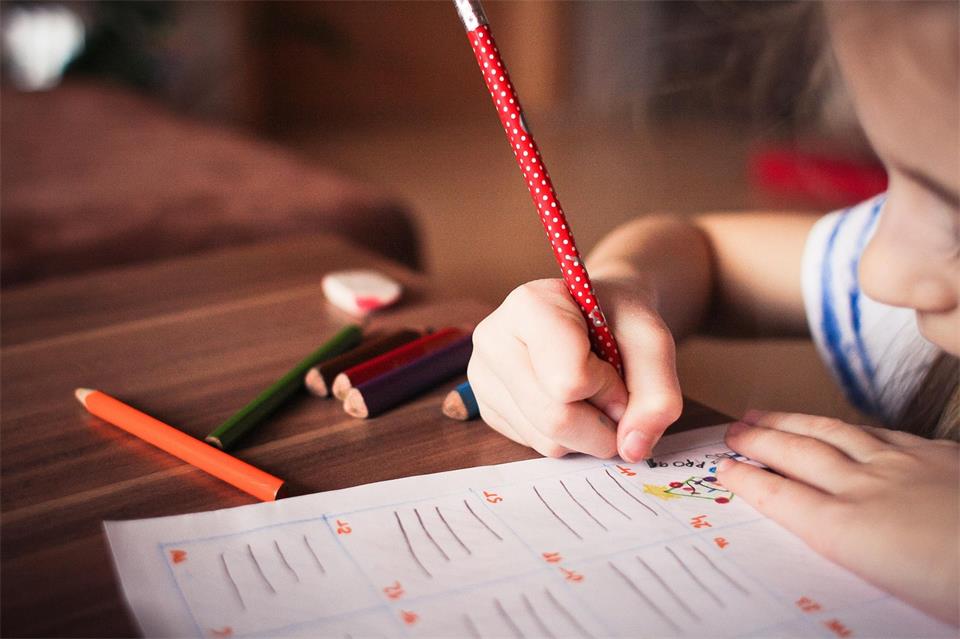
When people think about learning, they often picture desks, worksheets, and structured lessons. While those environments play an important role, much of a child’s most meaningful learning happens well beyond the classroom walls. Everyday experiences—especially those outdoors or in less formal settings—shape how children think, communicate, and understand the world.
These moments might look like simple play, but they quietly build skills that formal instruction alone can’t always deliver.
Learning starts long before a lesson plan
Children are natural learners. From a young age, they observe, imitate, test ideas, and ask questions. Much of this happens during unstructured time—when they’re exploring their surroundings rather than following instructions.
For families choosing child care Strathfield options, it’s often these everyday learning opportunities that matter just as much as curriculum outlines. The way children interact with their environment, peers, and educators outside formal lessons plays a major role in their development.
Learning outside the classroom doesn’t replace structured education. It complements it by turning curiosity into understanding.
Why unstructured environments matter
Unstructured environments give children space to make decisions, solve problems, and experience cause and effect firsthand. These moments teach skills that are difficult to replicate through worksheets or screens.
Children learn to:
- Negotiate with peers
- Manage small risks
- Communicate ideas clearly
- Adapt when things don’t go to plan
These experiences build independence and resilience—qualities that support learning at every stage of life.
Outdoor play supports cognitive development
Outdoor environments naturally encourage exploration. Uneven ground, changing weather, and open-ended materials invite children to think differently than they do indoors.
Simple outdoor activities help children develop:
- Spatial awareness and coordination
- Early maths concepts like size, distance, and quantity
- Language skills through shared experiences
- Creative thinking and imagination
When children build, climb, dig, or observe nature, they’re learning through direct experience rather than instruction alone.
Social skills are shaped in shared spaces
Outside the classroom, children often interact more freely. Playgrounds, gardens, and open areas encourage group play, collaboration, and shared problem-solving.
In these settings, children practise:
- Taking turns and sharing resources
- Reading social cues
- Resolving disagreements
- Expressing emotions appropriately
These social skills are essential for learning environments later on, where teamwork and communication become increasingly important.
Emotional learning happens through experience
Emotional regulation isn’t taught in a single lesson—it develops through repeated experiences. Outside the classroom, children encounter small challenges that help them understand their own emotions.
They learn:
- How to handle frustration when things don’t work
- Confidence from mastering new skills
- Patience through trial and error
- Empathy by supporting peers
These experiences help children build emotional awareness in a way that feels natural and supportive.
The role of educators beyond instruction
Learning outside the classroom doesn’t mean learning without guidance. Educators play an important role in shaping these experiences by observing, supporting, and extending learning in subtle ways.
Effective educators:
- Ask open-ended questions
- Encourage reflection through conversation
- Provide safe boundaries without limiting exploration
- Recognise learning moments as they happen
This approach helps children connect their experiences to language, ideas, and understanding.
Everyday moments are powerful teachers
Not every learning experience needs to be planned. Everyday routines—snack time, tidying up, getting dressed—are rich with opportunities for growth.
These moments teach:
- Responsibility and independence
- Sequencing and routine
- Communication and cooperation
- Problem-solving in real contexts
When children are encouraged to participate actively in daily tasks, learning becomes part of life rather than something that only happens at certain times.
Preparing children for lifelong learning
Learning outside the classroom builds skills that support long-term success. Curiosity, adaptability, and confidence are qualities that help children engage with formal education more effectively when the time comes.
Children who are encouraged to explore and learn through experience often:
- Ask more questions
- Show greater motivation to learn
- Adapt more easily to new environments
- Develop a stronger sense of self
These qualities form a foundation that supports academic learning rather than competing with it.
Finding balance between structure and freedom
The goal isn’t to choose between classroom learning and experiential learning. The most effective approach blends both.
Structured learning provides:
- Clear goals and expectations
- Foundational knowledge
- Skill development through guidance
Experiential learning provides:
- Real-world application
- Emotional and social growth
- Opportunities for curiosity-led exploration
Together, they create a well-rounded learning experience.
Learning is happening all the time
Children don’t stop learning when lessons end. They learn through play, conversation, observation, and experience—often when adults least expect it.
By recognising the value of learning outside the classroom, families and educators can support development in a way that feels natural, engaging, and meaningful. When learning is woven into everyday life, children grow not just academically, but as confident, capable individuals ready to take on the world around them.
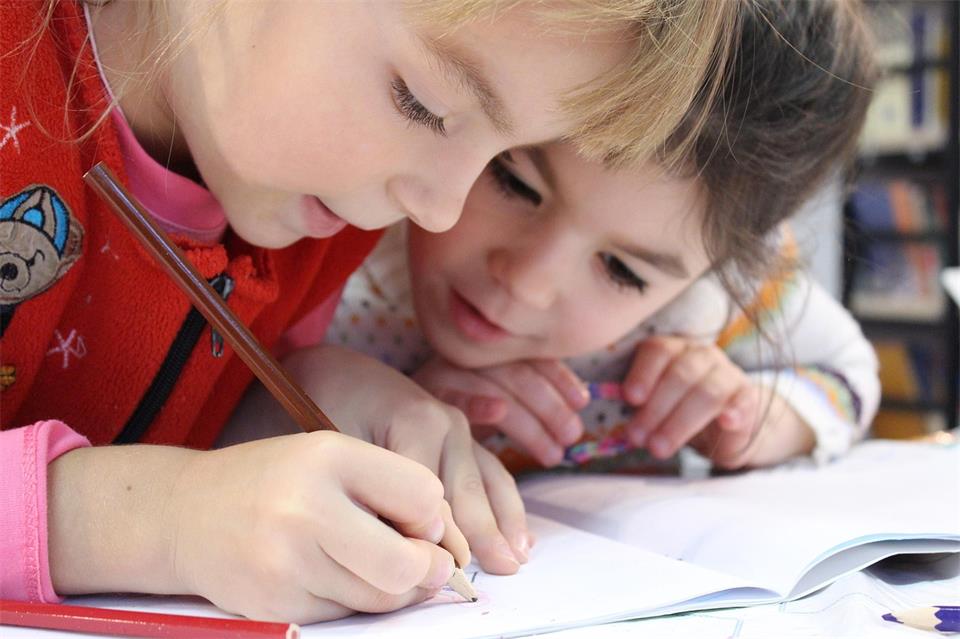
Confidence doesn’t suddenly appear when a child grows older. It forms quietly, through everyday experiences that tell them whether they are capable, trusted, and safe to try. One of the strongest influences on this process is the learning environment itself — not just what is taught, but how learning is approached.
Children absorb messages from their surroundings constantly. The structure of a classroom, the expectations placed on them, and the way adults respond to effort all shape how they see themselves. For families exploring options like Montessori Ryde, understanding this connection can help explain why environment matters as much as curriculum.
Confidence grows from feeling capable
Children build confidence when they experience success that feels earned. This doesn’t mean constant praise or easy tasks. It means opportunities that are challenging enough to require effort, but achievable with persistence.
Learning environments that support confidence:
- Allow children to try before stepping in
- Encourage problem-solving rather than quick answers
- Value effort as much as outcomes
When children discover they can work through challenges on their own, their belief in their abilities strengthens naturally.
Independence reinforces self-belief
Confidence and independence are closely linked. When children are trusted to make choices, they learn that their actions matter.
Environments that promote independence often:
- Let children choose activities within clear boundaries
- Provide materials they can access without adult assistance
- Encourage self-care skills appropriate to their age
These small freedoms send a powerful message: “You are capable.” Over time, this belief becomes part of how children approach new situations.
Emotional safety supports risk-taking
Children won’t take healthy risks — like trying something new or speaking up — unless they feel emotionally safe. Fear of embarrassment or failure can quickly undermine confidence.
Emotionally supportive environments tend to:
- Treat mistakes as part of learning
- Respond calmly to frustration
- Avoid comparison between children
When children feel safe to get things wrong, they become more willing to engage, explore, and grow.
Consistency builds trust in the environment
Predictable routines and clear expectations help children feel secure. When children know what to expect, they can focus their energy on learning rather than uncertainty.
Consistency shows up through:
- Familiar daily rhythms
- Clear boundaries that don’t constantly change
- Reliable responses from educators
This stability allows confidence to develop steadily, rather than being disrupted by confusion or unpredictability.
Observation over correction changes behaviour
How adults interact with children during learning has a major impact on confidence. Constant correction can create hesitation, while thoughtful observation builds trust.
Educators who observe first:
- Step in only when support is truly needed
- Allow children time to think and adjust
- Respond to effort rather than rushing outcomes
This approach respects the child’s process and reinforces their sense of competence.
Physical space influences confidence too
The design of a learning space affects how children move, choose, and engage. Spaces that are accessible and organised support independence and focus.
Helpful design features include:
- Child-sized furniture and tools
- Clearly defined activity areas
- Calm, uncluttered layouts
When children can navigate their environment with ease, they feel more in control — and that control feeds confidence.
Peer interactions shape self-perception
Children learn about themselves through others. Learning environments influence how children interact, collaborate, and resolve conflict.
Supportive peer environments:
- Encourage cooperation rather than competition
- Value communication and empathy
- Allow mixed-age or varied-skill interactions
Positive social experiences reinforce confidence by helping children feel accepted and capable within a group.
Confidence grows through meaningful responsibility
Giving children real responsibilities — not just symbolic ones — strengthens self-worth. Responsibility shows children they are trusted contributors.
Examples include:
- Caring for shared materials
- Helping prepare the learning space
- Supporting younger peers
These roles help children see themselves as capable and valued, not just as learners but as members of a community.
Learning pace matters more than speed
Rushing children through learning can undermine confidence, especially for those who need more time to process. Environments that respect individual pacing allow confidence to grow without pressure.
When pace is respected:
- Children feel less anxious about keeping up
- Understanding deepens
- Confidence becomes more stable
Learning becomes something children feel comfortable engaging with, rather than something to fear.
Adult mindset shapes child mindset
Children pick up on adult attitudes quickly. If adults value curiosity, persistence, and growth, children tend to internalise those values.
Supportive adult mindsets:
- Focus on progress rather than perfection
- Model calm problem-solving
- Speak positively about learning challenges
This modelling teaches children how to relate to difficulty in healthy ways.
Confidence is built, not given
Confidence isn’t something children are simply born with or without. It’s shaped daily by how learning environments respond to curiosity, effort, mistakes, and growth.
When children feel trusted, supported, and capable within their learning space, confidence develops naturally. It shows in how they approach new tasks, interact with others, and view themselves as learners.
Learning environments don’t just teach skills — they shape how children see their own potential. When that environment is thoughtfully designed, confidence becomes a lasting foundation rather than a fragile trait.

Why “One Less Thing to Think About” Is an Underrated Luxury

Why Football Fans Never Forget an Underdog Win

The Hidden Admin Load Reshaping Healthcare Burnout in 2026

The Cost of Deferred Maintenance: How Small Building Problems Become Big Business Expenses

The Cleaning Decisions That Shape Focus, Mood, and Sick Days at Work

The Sticky House Problem: Why Your AC Cools the Air but Leaves the Room Feeling Damp

Why “Good Enough” Is a Skill: How Precision Thinking Improves Everyday Decisions

Substack on Windows: following writers, podcasts, and livestreams

When AI Answers the Sponsorship Question Before Fans Ever Click

From Prediction to Kick-Off: What Sports Fans Check Before a Big Match

10 Reasons LEGO is Worth Getting into as an Adult

Actionable SWOT: How to Turn Your Strategic Analysis into a Functional Work Plan

Four Ways to Reduce Risk in Your Technology Supply Chain

What to Do When Everyday Movements Become Painful

So You’ve Got Multiple Offers for Your Business. Now What?

What Is the Construction Process Behind Modern Wind Power Plants?

How to Recover Faster From Everyday Injuries

How to Identify and Eliminate Efficiency Gaps in Complex Business Operations

Top Ways to Ask for Help

What Makes an Online Casino Safe Before You Even Play

 Business12 months ago
Do You Really Need Those Extra Features? Here’s How to Decide for Your Business

 Health12 months ago
The Power of Prevention in Modern Medicine

 Entertainment10 months ago
Casino Bonuses in Latvia: Comparing Offers and Tips for Beginners

 Tech12 months ago
Your Guide to Protecting Your Digital Peace of Mind

 LifeStyle10 months ago
Why Support Systems Matter More Than We Admit During Hard Times

 LifeStyle8 months ago
Should You Buy or Build Your Next Home? Here’s How to Decide (Without Losing Sleep Over It)

 Work11 months ago
How to Create a Comfortable Environment for Your Team

 Health10 months ago
The Support Systems That Keep Independent Practices Competitive