
Home Improvement
Why Renting a Small to Mid-Sized Dumpster Makes Sense for Your Next Project

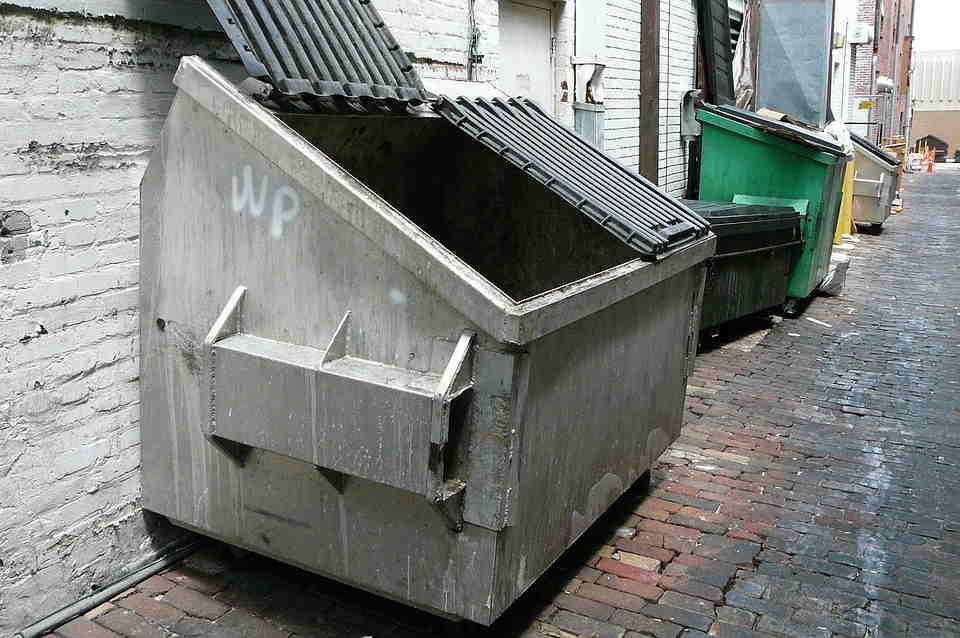
When tackling a cleanup, renovation, or landscaping project, you might think you can handle waste disposal with a few trash bags or regular curbside pickup.
But what happens when the pile grows bigger than expected? Renting a small to mid-sized dumpster could be the answer you’re looking for, offering convenience, efficiency, and affordability without going overboard.
Why Size Matters More Than You Think
Not all dumpsters are created equal, and picking the right size can make or break your project. A small to mid sized dumpster is perfect for home cleanouts, remodeling projects, or even yard work. Too small, and you’ll waste time making multiple trips to the landfill. Too big, and you’re paying for space you don’t need. Choosing the right fit saves you time, money, and headaches.
Think about it: Are you clearing out a garage, ripping up old carpet, or trimming overgrown bushes? These types of projects often create more debris than you anticipate, but not enough to justify a massive industrial dumpster. A small to mid-sized option hits that sweet spot, giving you the capacity to dispose of everything in one go.
The Benefits of Renting a Dumpster
Renting a dumpster isn’t just about having a place to toss your trash—it’s about making your project easier from start to finish.
Convenience – No need to haul waste yourself. With a dumpster on-site, you can toss items as you go.
Time-Saving – Skip the back-and-forth trips to the landfill or transfer station.
Cost-Effective – Renting a properly sized dumpster is often cheaper than hiring a junk removal service.
Safer Work Area – Piling debris in a corner or yard can create hazards. A dumpster keeps things tidy and reduces risks.
Eco-Friendly Disposal – Many dumpster rental companies ensure waste is sorted and recycled whenever possible, so you’re not contributing unnecessarily to landfill overflow.
For larger renovation projects in the West Midlands, grab hire Birmingham services can provide a practical alternative to traditional skips, particularly when substantial quantities of soil, rubble or hardcore need removing.
What Can You Toss in a Small to Mid-Sized Dumpster?
These dumpsters are versatile enough to handle most common waste types. Planning a home declutter? You can toss old furniture, boxes, and broken appliances. Remodeling a bathroom? That pile of tiles, drywall, and fixtures can go straight in. Landscaping? Sticks, branches, and yard waste are fair game.
There are some restrictions to keep in mind, though. Hazardous materials like paint, chemicals, and certain electronics usually aren’t allowed, so it’s worth confirming with your rental provider beforehand.
Finding the Right Fit
The best part about small to mid-sized dumpsters is that they’re designed with versatility in mind. Here’s a quick breakdown of typical sizes and what they’re best for:
- 10-Yard Dumpster – Ideal for small-scale projects like garage cleanouts or minor remodeling.
- 15-Yard Dumpster – A great middle ground for slightly larger projects like flooring replacements or basement renovations.
- 20-Yard Dumpster – Perfect for extensive decluttering, multiple-room cleanouts, or landscaping overhauls.
Still unsure? Think about the type and amount of waste you’ll generate, and don’t hesitate to ask the rental company for advice. They deal with these questions daily and can help you decide what’s right for your needs.
Tips for Making the Most of Your Rental
Renting a dumpster isn’t complicated, but a little planning goes a long way. First, check with local authorities to see if you need a permit to place the dumpster on the street or driveway. Next, think about placement. Ideally, it should be easy to access but not in the way of your work.
Another smart move? Break down bulky items like furniture or cardboard boxes to maximize space. Tossing items randomly might seem quicker, but you’ll end up wasting valuable room. Load heavier items first and lighter debris on top—it keeps the pile stable and makes unloading easier for the rental company.
Common Questions People Have
How long can I rent a dumpster? Most rental companies offer flexible options, ranging from a few days to a week or more. If you think you’ll need extra time, let them know upfront to avoid surprise fees.
What’s the cost like? Prices vary depending on location, size, and rental duration, but small to mid-sized dumpsters are typically budget-friendly. Be sure to ask if the price includes delivery, pickup, and disposal fees.
What if I overfill it? Overfilling can result in extra charges or safety issues during transport. Avoid this by choosing the right size to begin with and sticking to the fill line.
How to Choose the Right Rental Company
Not all dumpster rental companies are created equal. Look for one with transparent pricing, a variety of size options, and excellent customer service. Read reviews, ask about any hidden fees, and make sure they’re licensed and insured.
You’ll also want to confirm their waste disposal practices. Are they environmentally conscious? Do they recycle materials when possible? A little research ensures your waste is handled responsibly.
Simplify Your Cleanup
When you’re knee-deep in a project, the last thing you want is to stress over waste removal. A small to mid-sized dumpster gives you a simple, effective solution that saves time, money, and effort. With the right size, you’ll be amazed at how much smoother your project feels from start to finish.
No more overflowing trash bins, no more driving back and forth to dump sites. It’s all about having the right tools for the job, and a dumpster is one that often gets overlooked.
Waste Removal Made Easy
Whether it’s a home renovation, spring cleaning, or landscaping overhaul, renting a small to mid-sized dumpster is a smart, practical choice. It keeps your project organized, efficient, and hassle-free. Don’t let the waste pile up—get the perfect dumpster and make cleanup the easiest part of your next project.

Home Improvement
The Sticky House Problem: Why Your AC Cools the Air but Leaves the Room Feeling Damp
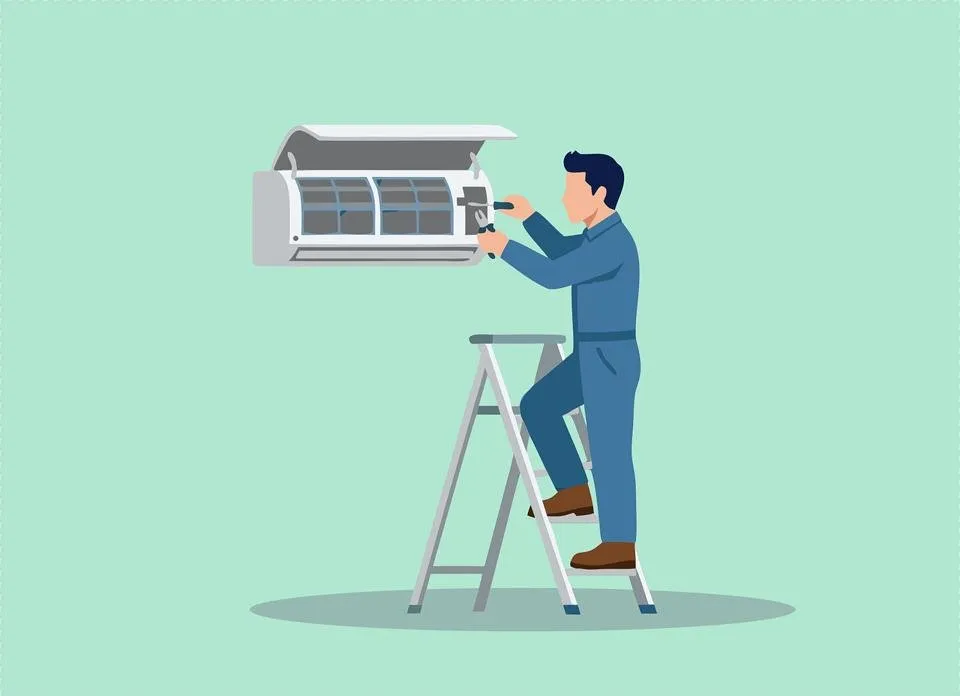
A cold room can still feel clammy, and that’s the whole problem with how most people judge an air conditioner. The thermostat reads 72, the vents are blowing, the compressor is doing its job on paper, and yet the couch fabric feels tacky and the bathroom mirror stays foggy long after a shower.
That clammy feeling is moisture the system never pulled out of the air, not temperature. Cooling and dehumidifying are two different jobs, and a lot of homes and offices are set up so the equipment does the first one well and the second one badly.
Understanding why comes down to what’s happening at the coil, how the equipment was sized, and how long it actually runs. Once you see that, the fix stops looking like a thermostat problem.
Cool Air and Dry Air Are Not the Same Thing
An air conditioner does two jobs at once. It lowers the temperature (sensible cooling) and it pulls water out of the air (latent cooling). Both happen at the evaporator coil.
Warm, humid air from your rooms passes over a very cold surface, the temperature drops, and moisture condenses on the coil and drips into a pan that drains outside. That condensate line running out the side of the building is the visible sign the system is dehumidifying.
The catch is that moisture removal only happens while the coil is cold AND air is moving across it long enough for water to actually condense. Short runs cool the air a little but barely touch the humidity. You end up with a room that feels chilly and damp at the same time, which is the worst combination for comfort and for the building.
The comfort target most engineers work toward is roughly 30 to 60 percent relative humidity indoors, and EPA guidance recommends staying below 60 percent to keep mold and dust mites from taking hold. Sit above that for a few days and you’ll smell it before you measure it.
Turning the Thermostat Down Makes It Worse
The intuitive move when a room feels muggy is to drop the setpoint a few degrees. It rarely helps and often backfires.
The thermostat is a temperature control, and using it to chase humidity is where the whole cycle of frustration begins.
Oversized Equipment Is the Most Common Culprit
Bigger is not better in cooling. An oversized system reaches the setpoint so quickly that it short-cycles, and short cycles are exactly when latent removal falls off a cliff. A unit that’s too large cools the space too fast and shuts off before it can pull the moisture out. The building stays cold and wet.
This is why proper load calculations matter more than the tonnage on the nameplate. A contractor who sizes by square-foot rule-of-thumb, or who upsizes “to be safe,” tends to leave a humidity problem behind.
On the commercial side, it’s often the pumps, coils, and controls in the chilled-water loop that decide how steadily the system runs and how much latent capacity you actually get; the primer on chiller pumps is a good starting point if you’re trying to understand why a building with plenty of nominal cooling still feels damp.
Airflow, Dirty Coils, and the Boring Stuff That Matters
Assuming the equipment is sized reasonably, most nagging humidity problems come down to a handful of unglamorous issues.
- Dirty filters and coils. A coated coil can’t transfer heat efficiently, so it doesn’t get cold enough to condense water out of the airstream.
- Fan speed set too high. Blowers cranked up for maximum airflow move air across the coil too fast for moisture to condense, cutting latent capacity even when the system is running.
- Leaky ducts and envelope. Return leaks pull humid air from attics, crawlspaces, or outside straight into the system, and unsealed openings around doors and windows keep feeding the load faster than the AC can remove it.
- Clogged condensate drains. If water can’t leave the pan, it sits there and re-evaporates back into the supply air, undoing the dehumidification the coil just did.
None of this shows up on the thermostat. All of it shows up in how the room feels.
What Actually Fixes a Humid Building
Start with measurement. Put a cheap hygrometer in the worst room and one in a comfortable one. If the humid room stays noticeably above the comfortable one while the AC is running, you have a latent problem, not a temperature problem. Now you can act on evidence instead of guessing.
From there, the real fixes usually fall into a few categories: get the equipment sized and serviced correctly, seal the envelope so you stop importing humid outdoor air, and add dedicated dehumidification when the cooling load is too small to pull enough moisture on its own. Tight, well-insulated buildings often need a whole-house or standalone dehumidifier precisely because they don’t need much sensible cooling, so the AC barely runs. Blame the latent load, not the AC; it has outgrown what a temperature-driven machine can handle.
The pattern is consistent whether it’s a bungalow or a mid-rise office. Cold air isn’t the goal. Dry, steady, comfortable air is. Get the moisture out and the same room at the same temperature will feel noticeably better, and the equipment will run less doing it.

Beauty is often associated with skincare, fashion or wellness routines. Yet one important factor is frequently overlooked: the spaces we interact with every day.
The environment around us influences mood, confidence and even the way we approach daily rituals. A thoughtfully organised dressing room, a carefully arranged vanity or a beautifully designed wardrobe can transform routine moments into experiences that feel more intentional.
This is one reason why people are paying increasing attention to the aesthetics of their personal spaces.

Beauty is no longer limited to products. It has become part of the environment itself.
The Psychology of Visual Order
Studies in environmental psychology consistently show that organised and visually pleasing spaces can help reduce stress and create a greater sense of control.
When everything has a place, everyday decisions become easier. Morning routines feel calmer. Getting dressed becomes more enjoyable.
This shift has encouraged many homeowners to rethink the purpose of their wardrobes and dressing rooms. Rather than treating them purely as storage areas, they are creating spaces that inspire creativity and self-expression.
Fashion plays an important role in this transformation.
The clothes we choose often reflect our personality, confidence and aspirations. Seeing favourite pieces displayed thoughtfully can reinforce that connection.
Small Details That Change a Space
Creating a more beautiful dressing area does not necessarily require a complete renovation.
Often, a few carefully chosen elements make the biggest difference:
- Displaying favourite outfits rather than hiding them away.
- Creating visual focal points within the room.
- Choosing natural materials that add warmth and character.
- Organising clothing in a way that feels inspiring rather than purely functional.
- Surrounding yourself with items that reflect your personal style.
These small adjustments can completely change the atmosphere of a space.
When Fashion Meets Interior Design
One of the most interesting developments in recent years is the growing overlap between fashion and interior design.
People are increasingly treating their favourite garments as part of their environment rather than simply items to be stored. As a result, fashion mannequins are finding a place in private dressing rooms, bedrooms and walk-in wardrobes.
BONAMI, the Belgian manufacturer recognised for its craftsmanship and expertise in visual presentation, creates mannequins that fit naturally into this concept.
The female wooden mannequins available through PRUSSARIO are crafted from natural wood and feature articulated arms, movable wrists and adjustable fingers. Their elegant appearance allows them to function not only as presentation tools, but also as distinctive design elements.
Unlike traditional retail mannequins, they contribute warmth, texture and personality to a space.
A More Intentional Approach to Beauty
Beauty is not only about how we look. It is also about how we feel in the environments we create for ourselves.
A thoughtfully designed dressing room can make everyday routines more enjoyable. Favourite garments become easier to appreciate. Personal style becomes more visible and accessible.
In a world that often feels rushed, surrounding ourselves with beauty in small, meaningful ways can have a surprisingly positive impact.
Sometimes self-care begins not with a product, but with the space around us.

It’s often the little things—not the major milestones—that shape how your day unfolds. A well-organized kitchen, a dependable morning routine, or a home that functions as expected can save time, reduce stress, and make everyday life feel more manageable.
While it’s tempting to focus on big home improvement projects, the smallest decisions are often the ones that have the greatest long-term impact. By making thoughtful choices and addressing minor issues before they grow, you can create a home that supports your lifestyle with less effort.
Choose Convenience Over Clutter
Every home naturally collects items over time, but too much clutter can make even simple tasks feel more complicated. Keeping frequently used items within easy reach, creating designated storage spaces, and regularly clearing out what you no longer need can make your home feel more functional.
These small organizational habits don’t just improve appearance—they also make daily routines smoother. Whether you’re preparing meals, getting ready for work, or cleaning up after a busy day, an organized space helps everything flow more efficiently.
When the amount that needs removing goes beyond a normal tidy-up, services such as SRW Services can help clear unwanted furniture, household items and general clutter so the space can be made usable again.
Don’t Ignore Recurring Annoyances
Everyone has a few household quirks they’ve learned to live with. Maybe it’s a cabinet door that won’t stay shut, a faucet that drips occasionally, or a door that sticks during humid weather. While these problems may seem insignificant, they can slowly become part of your daily frustration.
Instead of putting them off indefinitely, consider tackling one small issue each month. Completing minor repairs regularly is often more manageable than facing several larger projects all at once. Over time, these improvements make your home feel more comfortable and easier to maintain.
Know When It’s Time to Call a Professional
Some home projects are perfect for a weekend DIY session, but others require specialized knowledge and equipment. Plumbing, electrical work, and structural repairs often fall into that category, especially when the underlying cause isn’t immediately obvious.
If you notice recurring leaks, slow drains, unusual water pressure, or other plumbing concerns that don’t improve with basic troubleshooting, it’s often best to consult experienced professionals such as Bluefrog Plumbing. Addressing problems early can help prevent more extensive damage while giving you confidence that the work has been completed safely and correctly.
Knowing when to ask for expert help isn’t about avoiding DIY projects—it’s about making smart decisions that protect your home over the long term.
For more substantial home improvements involving electrical installations, bathroom renovations or structural alterations, experienced companies such as DWG Contractors can help homeowners plan and complete their projects safely and efficiently.
Invest in Quality Where It Matters
Not every purchase needs to be top of the line, but investing in quality for the things you use every day often pays off. Durable fixtures, reliable appliances, and well-made household products typically last longer and perform better than cheaper alternatives.
This approach can also reduce the need for frequent repairs or replacements, saving both money and time over the years. Focusing on long-term value rather than short-term savings helps create a home that’s dependable as well as comfortable.
Let Small Improvements Add Up
Creating a better home doesn’t happen overnight. It’s the result of hundreds of small decisions made consistently over time. Fixing minor problems promptly, choosing practical upgrades, staying organized, and knowing when to bring in professional support all contribute to a living space that works for you instead of against you.
Rather than waiting for a major renovation to transform your home, focus on the everyday choices within your control. Those small improvements may seem insignificant on their own, but together they create a home that’s more efficient, less stressful to maintain, and better suited to your lifestyle for years to come.

Why “One Less Thing to Think About” Is an Underrated Luxury

Why Football Fans Never Forget an Underdog Win

The Hidden Admin Load Reshaping Healthcare Burnout in 2026

The Cost of Deferred Maintenance: How Small Building Problems Become Big Business Expenses

The Cleaning Decisions That Shape Focus, Mood, and Sick Days at Work

The Sticky House Problem: Why Your AC Cools the Air but Leaves the Room Feeling Damp

Why “Good Enough” Is a Skill: How Precision Thinking Improves Everyday Decisions

Substack on Windows: following writers, podcasts, and livestreams

When AI Answers the Sponsorship Question Before Fans Ever Click

From Prediction to Kick-Off: What Sports Fans Check Before a Big Match

Actionable SWOT: How to Turn Your Strategic Analysis into a Functional Work Plan

So You’ve Got Multiple Offers for Your Business. Now What?

Four Ways to Reduce Risk in Your Technology Supply Chain

What to Do When Everyday Movements Become Painful

What Is the Construction Process Behind Modern Wind Power Plants?

How to Recover Faster From Everyday Injuries

Top Ways to Ask for Help

How to Identify and Eliminate Efficiency Gaps in Complex Business Operations

What Makes an Online Casino Safe Before You Even Play

How Do Recycling Facilities Use Shredders for Plastic Waste Processing?

 Health12 months ago
The Power of Prevention in Modern Medicine

 Entertainment10 months ago
Casino Bonuses in Latvia: Comparing Offers and Tips for Beginners

 LifeStyle10 months ago
Why Support Systems Matter More Than We Admit During Hard Times

 LifeStyle9 months ago
Should You Buy or Build Your Next Home? Here’s How to Decide (Without Losing Sleep Over It)

 Health10 months ago
The Support Systems That Keep Independent Practices Competitive

 Work11 months ago
How to Create a Comfortable Environment for Your Team

 Finance11 months ago
How to Actually Protect Your Money with Smart Financial Moves

 Gifts12 months ago
Rose Bouquet Flower: timeless elegance for every occasion