
Work
How to Create a Comfortable Environment for Your Team

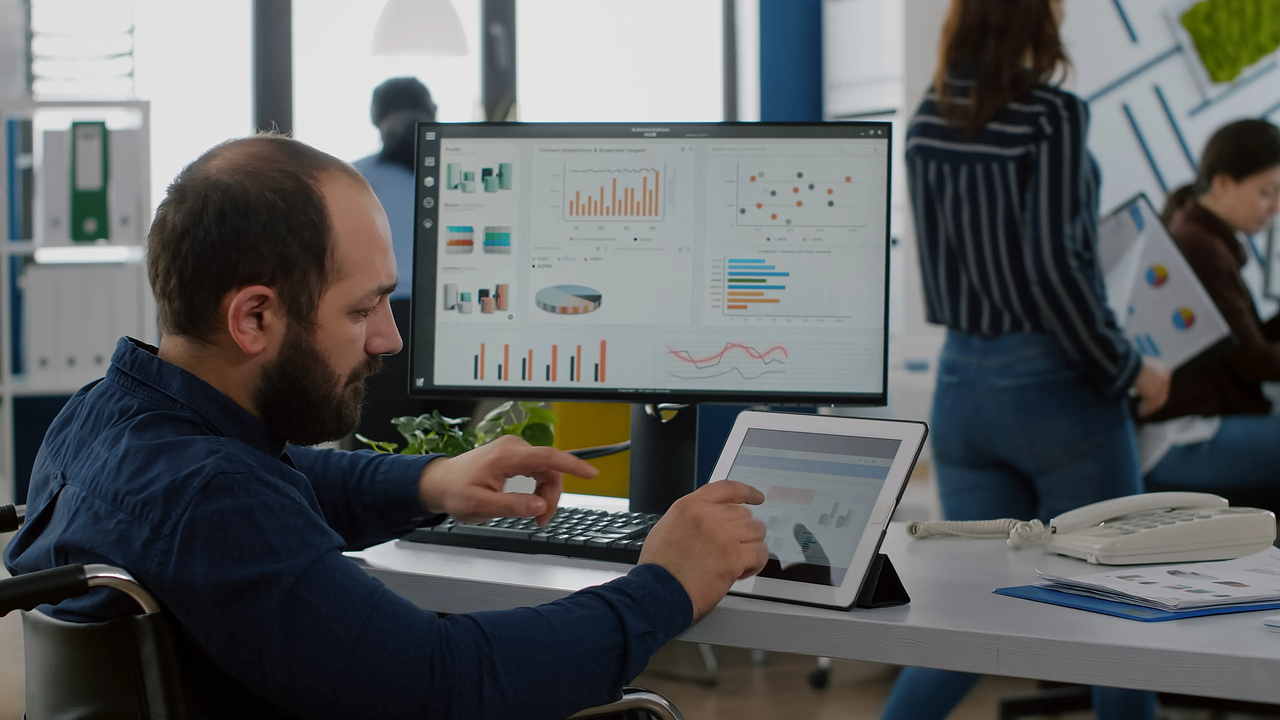
A comfortable workplace is more than just a nice office. It’s a space where employees feel safe, valued and motivated to do their best. Simple maintenance tasks like keeping up with concrete repair for the foundations may be seen as small things for your budget, but they contribute to a workspace that is safe and professional.
You want to form the foundation of comfort for your team, but beyond structural upkeep, there are plenty of ways that your business can foster an environment that supports productivity and well-being.

- Prioritise safety and cleanliness. The very first step to comfort is safety for your employees because employees who feel physically secure are able to focus on their work without distraction. This includes maintaining floors, walls, and walkways and keeping hazards to a minimum. Ensuring emergency systems are functional is a must, and with regular cleaning and organization, you can contribute to a more pleasant environment for your team. A tidy workspace reduces stress and creates a sense of order that will help your employees feel comfortable and focused.
- Provide ergonomic furniture and equipment. The right furniture can make a big difference in comfort and productivity for your team. Chairs with proper lumber support, adjustable desks and well placed monitors reduce strain and fatigue. Even small investments in ergonomic tools such as keyboard trays or foot rests can prevent those long term health issues that do crop up and.Increase the rates of absenteeism. Comfortable workstations help your team to stay focused and energised throughout the day.
- Encourage natural light. Natural light has significant impacts on mood, energy, and overall workplace satisfaction. Whenever possible, allow sunlight into work areas or use adjustable lighting that mimics natural light. For installing and setting up such systems, calling in professional commercial electric services ensures the lighting is designed safely, efficiently, and in line with workplace requirements. Proper ventilation is equally important, ensuring clean air and a comfortable temperature. Poor air quality or stuffy rooms can lead to fatigue, headaches and decreased productivity. Create a space that feels fresh and open to enhance both comfort and performance.
- Encourage a better work culture. Positive work culture comfort is not just physical, but it’s emotional too. Encouraging open communication, recognizing achievements, and creating opportunities for collaboration contribute to a positive workplace culture. Employees who feel respected and valued are more likely to enjoy their work environment. Regular check insurance, team building activities and celebrating any milestones will go a long way to making the office a welcoming space for everybody.
- Offer breaks and flexibility. Everyone needs a moment to recharge, so providing comfortable breakout areas where employees can relax, eat or socialise helps to prevent burnout. Flexible schedules, remote work options or casual meeting spaces can also allow team members to work in ways that suit their needs. With a supportive environment that is more flexible, you can demonstrate that you trust your people and prioritise their comfort.
It’s a strategic thing to do to create a comfortable work environment. It’s also an investment for your business. A safe, clean and ergonomically designed space combined with positive culture and flexibility promotes higher productivity, lower turnover, and better overall employee satisfaction, which is exactly what you want.


To stay competitive in your career, you need to keep growing your abilities. Experience is good, but strategically learning new skills is what really makes you stand out and gets you ready for what’s next.
It means you’re actively learning new things or getting better at what you already do, all to keep up with what your industry needs. When you take charge of your own professional growth, you open doors to promotions, new jobs, and more job security.
Assess Your Current Skill Set
Before you can figure out where you’re headed, you need to be honest about where you are right now. Doing a personal skills audit helps you see what you’re good at and where you could improve.
Start by looking at job descriptions for roles you’d like to have, and note down any skills or qualifications you might be missing. Don’t hesitate to ask your manager or a trusted mentor for their honest feedback; they can give you an outside view of your abilities.
It helps to sort your skills into two main types:
- Hard Skills: These are technical things you can learn, like data analysis, knowing how to use certain software, or speaking another language.
- Soft Skills: These are more about how you interact with people, such as communication, leadership, and solving problems.
Spotting gaps in either area is the first step toward making a plan to develop yourself. Many companies use upskilling and reskilling initiatives to help their employees grow, so check if your employer offers any resources.
Identify Future Industry Needs
A smart career plan involves looking past your current job and thinking about what your industry will need in the next three to five years. Technology, market changes, and new business models are always changing jobs.
To stay ahead, you need to become an expert on your industry. Read top publications, listen to podcasts from experts, and pay attention to what people are talking about at industry conferences.
For example, a project manager might notice that agile methods and making decisions based on data are becoming more important. A marketing professional might see how much more important video content and AI-powered personalization are getting.
Similarly, a professional stepping into people management might pursue a graduate certificate in human resource management to lead remote teams, navigate changing employment laws, and streamline talent acquisition.
When you spot these trends, you can build a clear upskilling strategy that connects your personal growth with what the industry will need long-term, making you a more valuable employee.
Choose the Right Learning Path
Once you know which skills you need, the next step is to pick a way to learn them that fits your goals, schedule, and budget. There are more options than ever, from online tutorials you can do at your own pace and weekend workshops to more formal, structured programs.
If you want deep knowledge and a recognized qualification, getting a graduate certificate in human resource management can give you a strong base for moving up in that field.
Think about how much you really need to know. A quick online course might be perfect for learning a new software program, but a university-level certificate is better for mastering complex topics like corporate law or strategic planning. Compare the time and money it will cost with the career benefits to find the path that gives you the best return on your investment.
Apply New Knowledge Immediately
Learning a new skill only really works if you use it. The last and most important step in upskilling is to put your new knowledge to use in real situations. This not only helps you remember what you’ve learned but also shows your employer and professional network what you can now do. Look for chances at work to take on new tasks that let you use your new skill.
If there aren’t immediate opportunities in your current job, create your own. You could volunteer for a project with another department, start a small side business, or offer to mentor a junior colleague. Make sure to list these experiences on your resume and LinkedIn profile.
By actively using and showing off your new abilities, you turn theoretical knowledge into real assets for your career.
Ultimately, investing in your skills means investing in your future. By regularly checking your abilities and making sure they match industry trends, you build a career that’s both strong and rewarding.

The office job that felt rock-solid five years ago doesn’t feel quite the same in 2026. Layoff announcements keep rolling through tech, finance, and media, and AI tools now handle plenty of the tasks that used to fill a 9-to-5. If you’ve been refreshing job boards with a knot in your stomach, you’re not the only one.
Here’s the quiet plot twist: skilled trades and hands-on work are having a real moment. The pay can rival a mid-level office salary, the work is hard for software to replace, and the path in is usually shorter and cheaper than another degree. If a career pivot is on the table, the trades deserve a serious look.
Why blue-collar work looks smart again
Two things are pushing white-collar workers to reconsider the trades. First, automation is chewing through routine knowledge work faster than anyone predicted, while plumbing leaks, broken HVAC units, and pallets in a warehouse still require a human with skills.
Second, a wave of older tradespeople is retiring, and there aren’t enough young workers stepping in to replace them.
That mismatch shows up as higher wages, signing bonuses, and steady demand. Add in the fact that most trades don’t require a four-year degree, and the math starts to look friendly. You can train, get certified, and start earning in months instead of years.
Trades and certifications worth a serious look in 2026
Not every blue-collar job pays the same, and not every one suits every person. The list below leans toward roles with steady demand, reasonable entry costs, and room to grow into higher-paying specializations or even your own business.
- Electrician. Apprenticeships are paid, the licensing path is clear, and the work spans homes, commercial buildings, EV chargers, and solar installs. Once you’re licensed, the ceiling keeps rising, especially if you move into industrial or renewable work.
- HVAC technician. Heating and cooling systems aren’t going anywhere, and the push toward heat pumps and energy-efficient retrofits is creating new specialties. Training programs typically run six months to two years.
- Plumber. One of the highest-earning trades over a full career, with strong demand in both new construction and remodels. Like electrical work, it’s licensed at the state level and rewards experience.
- Welder. Pipeline, structural, and underwater welding can pay exceptionally well, and certifications stack neatly on top of each other. The American Welding Society sets the standards most employers recognize.
- Forklift operator. A fast on-ramp into warehousing, logistics, and manufacturing. OSHA requires operators to be trained and evaluated, and you can get your initial forklift certification online in about an hour, which makes it one of the quickest credentials to add to a resume.
- Wind turbine technician. Often listed among the fastest-growing occupations in the country. The work is physical and involves heights, but pay is solid and the industry is expanding.
- Commercial driver (CDL). Long-haul, regional, and local delivery roles all need licensed drivers, and specialty endorsements like hazmat or tanker push pay higher.
What the pivot actually looks like
Moving from a desk job to a trade isn’t as dramatic as it sounds. Most people start by picking one specific role, signing up for a short program or apprenticeship, and keeping a part-time income while they train. The Department of Labor’s Apprenticeship.gov site is a good place to search registered programs that pay you while you learn.
Expect a few growing pains. Your body will be tired in new ways for the first few months. You’ll be the rookie again, asking questions that feel obvious. The trade-off is that you build a skill people in your town will pay for whether or not the stock market is having a good week.
How to choose the right trade for you
- Audit your tolerance. Be honest about heights, confined spaces, weather, and physical strain. Welding inside a tank is a different life than running service calls in climate-controlled buildings.
- Talk to people doing the work. A 20-minute conversation with a journeyman electrician or shop foreman will teach you more than a week of reading. Ask what they wish they’d known at year one.
- Cost out the training. Compare community college programs, union apprenticeships, and private trade schools. Paid apprenticeships are often the best deal, but they’re competitive.
- Stack credentials early. A forklift card, OSHA 10, and a CPR certification are cheap, fast, and make you more hireable while you pursue the bigger license.
- Plan your exit and your runway. Decide how many months of savings you need before you give notice, and whether a side gig can bridge the gap.
The bigger picture
Career pivots are uncomfortable at any age, but the 2026 job market is rewarding people who can do something real with their hands. The trades aren’t a fallback. For a lot of workers, they’re turning into the smarter primary plan, with steadier demand, faster entry, and a real shot at owning a business down the line.
If your office job feels shaky, treat that feeling as useful information. Pick one trade, take one class, earn one certification, and see how the next door opens.

Stepping Into City Hall (Or That Tiny Office)
If you’ve landed a job in a small local government, it probably didn’t come with a slick corner office and a fancy espresso machine. More likely, you found yourself at a creaky desk surrounded by stacks of paperwork, with a landline phone that rings just a little too loudly.
Here’s the thing though—small-town or neighborhood-level government offices might not have the glitz, but they’re where community actually happens. People remember your face, and your work genuinely matters.
So whether you’re the newbie at the counter or the behind-the-scenes type, here’s how to thrive (and keep your sense of humor intact).
Everyone Wears a Lot of Hats—Embrace It
One day you’ll be helping a neighbor fill out a dog license form, the next you’re discussing pothole repairs at a council meeting. In a small government, “that’s not my job” is a phrase nobody really uses. If you’re willing to pitch in wherever help is needed, you’ll be everyone’s favorite coworker in no time. Flexibility is gold here.
Listen First, Solve Second
People come into city hall with everything from big ideas to oddly specific complaints. Take a minute to really listen, even when things get repetitive (because, trust me, they do). It’s often less about the form itself, and more about feeling heard. That little bit of empathy pays off in happier citizens—and your own peace of mind.
Get Friendly With Regulations (But Stay Human)
Nobody wakes up excited about municipal codes. But knowing the basics saves you from sticky situations and builds trust. You don’t need to be a legal eagle, just know where to find answers. If you get a tough question, be honest: “Let me double-check that for you.” Most people appreciate sincerity over trying to look like you know everything.
Use Tech to Streamline Government Operations (Seriously)
These days, “we’ve always done it this way” doesn’t cut it when you’re drowning in paper. Even modest tech upgrades—simple scheduling apps, cloud files, or better email systems—can save hours (and maybe some sanity).
More and more small towns are using online forms, automatic reminders, or digital records to minimize busywork. When you use tech to streamline government operations, you end up with more time for the stuff that actually needs a human touch.
Talk to Everyone—And Then Talk Some More
No, you don’t have to love small talk. But the more you connect with coworkers, residents, public works, and even that city council member who always runs late, the smoother things run.
Collaboration means fewer crossed wires and more creative solutions. You’d be surprised how much gets figured out just by walking across the hall—or waving at someone at the farmer’s market.
Self-Care Is Not Optional
This job is rewarding, but it’s not always easy. Protect your downtime, and don’t be afraid to ask for help. A cup of coffee with a teammate, a deep breath before answering that fifth call about recycling bins—it matters.
Real Impact, Real Community
At the end of the day, your job is about people and progress, not just forms and emails. Celebrate small wins. Share success stories. And remember: small local government might be a challenge, but it’s also where you get to change things, sometimes one smile (or pothole) at a time.

Why “One Less Thing to Think About” Is an Underrated Luxury

Why Football Fans Never Forget an Underdog Win

The Hidden Admin Load Reshaping Healthcare Burnout in 2026

The Cost of Deferred Maintenance: How Small Building Problems Become Big Business Expenses

The Cleaning Decisions That Shape Focus, Mood, and Sick Days at Work

The Sticky House Problem: Why Your AC Cools the Air but Leaves the Room Feeling Damp

Why “Good Enough” Is a Skill: How Precision Thinking Improves Everyday Decisions

Substack on Windows: following writers, podcasts, and livestreams

When AI Answers the Sponsorship Question Before Fans Ever Click

From Prediction to Kick-Off: What Sports Fans Check Before a Big Match

10 Reasons LEGO is Worth Getting into as an Adult

Actionable SWOT: How to Turn Your Strategic Analysis into a Functional Work Plan

Four Ways to Reduce Risk in Your Technology Supply Chain

What to Do When Everyday Movements Become Painful

So You’ve Got Multiple Offers for Your Business. Now What?

What Is the Construction Process Behind Modern Wind Power Plants?

How to Recover Faster From Everyday Injuries

How to Identify and Eliminate Efficiency Gaps in Complex Business Operations

Top Ways to Ask for Help

What Makes an Online Casino Safe Before You Even Play

 Business12 months ago
Do You Really Need Those Extra Features? Here’s How to Decide for Your Business

 Health12 months ago
The Power of Prevention in Modern Medicine

 Entertainment10 months ago
Casino Bonuses in Latvia: Comparing Offers and Tips for Beginners

 Tech12 months ago
Your Guide to Protecting Your Digital Peace of Mind

 LifeStyle10 months ago
Why Support Systems Matter More Than We Admit During Hard Times

 LifeStyle8 months ago
Should You Buy or Build Your Next Home? Here’s How to Decide (Without Losing Sleep Over It)

 Health10 months ago
The Support Systems That Keep Independent Practices Competitive

 Finance10 months ago
How to Actually Protect Your Money with Smart Financial Moves