
Business
So You’ve Got Multiple Offers for Your Business. Now What?


The time has come for you to sell your business. And now you have multiple offers from people wanting to buy it from you. First off: nice work! Having several buyers knocking at your door is a good problem to have, but wow, it can also leave your head spinning.
If you’ve built your business from the ground up, making the call about who gets to take the keys can feel weirdly personal—kind of like leaving your pet with a new sitter, but with a lot more zeros attached.
Here’s how to sort through those offers and choose the right buyer, not just the loudest one.
Look Beyond the Big Number
Of course, the number on the check matters. You put in the sweat, maybe a few tears, and you deserve every penny. But don’t just grab the highest offer and call it a day. Ask yourself: is this offer firm, or are there “conditions” that could trip you up later? Sometimes the highest price comes with the longest, most painful list of strings attached.
And don’t forget about financing. If a buyer needs a loan or outside investors, you might get stuck waiting forever—or see the deal fall through at the last minute. Solid funding is almost always worth a slightly lower price, if you want to sleep at night.
Will They Care for Your Legacy?
If your business is basically your baby (and for most owners, it is), think about who’s most likely to keep it running well. Have a gut feeling about a buyer’s character or their plans? Don’t shrug it off.
Some folks want to buy because they love your brand and want to grow it. Others are just looking to flip your business or squeeze every bit of profit, even if it means cutting corners or laying off the team that’s been by your side for years.
Chat with each buyer about their vision. Try not to think of it as grilling them—just see what they want for your business’s future. If someone brags about slashing costs or stripping away everything you care about, that tells you plenty.
Ask About Timing (It Matters, Really)
How soon do you want to walk away, or are you looking for a hand-over period to help smooth the transition? Some buyers expect you to stick around, maybe even train the next crew. Others want a clean break. There’s no perfect answer here, just what fits your life best.
Lay Out the Details (and Get Backup If You Need It)
Don’t be shy about asking questions. You did the work to build your business; you’ve earned the right to pick who gets it next. It’s perfectly okay to call in the pros, too—an attorney or trusted advisor can help you spot red flags and puzzle out those complicated terms that show up in every serious offer.
Gut Checks, Goodbyes, and Moving Forward
Honestly, sometimes your gut knows before your head does. Listen to it. You get to pick not just who buys your business, but who you trust with your legacy. Take your time, ask big questions, and remember—you built this. You get to decide how the next chapter begins.


A warehouse door that doesn’t quite seal. An HVAC unit that runs a little longer than it used to. A plumbing leak small enough to stay hidden behind a wall.
None looks particularly expensive on its own. That’s precisely why these problems are easy to ignore.
For most businesses, building maintenance isn’t a major concern until something actually breaks. But the cost often starts accumulating much earlier. An inefficient system raises utility bills. A worn component puts additional strain on the equipment around it. A minor repair gets postponed until it becomes an emergency call — potentially while employees, customers, or shipments are waiting on the other side.
Owners tend to know their obvious cost centers: payroll, rent, inventory, insurance. The harder expenses to spot are buried in the systems that keep the building operating every day.
Here’s how a minor maintenance problem can move from an easy fix to a much larger operating expense — and where businesses can interrupt that progression.
Stage One: The Warning Signs Get Ignored
Every expensive failure starts as a cheap one. A rooftop unit short-cycles for a week. The dock leveler starts landing harder than it used to, and by Thursday a commercial door hesitates on the way up before catching itself.
On a busy Monday, none of that rises to the level of a work order. It gets a shrug and a note to check on it later. That delay is where the money starts leaking. A worn spring or a slipping belt draws more current, wears adjacent parts faster, and turns a modest fix into a full assembly replacement. Building systems rarely fail in isolation. One tired component pulls two or three others down with it, and by the time someone calls, the invoice reflects all of them.
The fix at this stage is boring and effective: write the small thing down the day you notice it, and give someone the authority to schedule the visit without a committee meeting.
Stage Two: Energy Bills Start Doing the Talking
Before a system fails outright, it usually gets loud on the utility bill. Compressors run longer. Fans stay on when the building is empty, and heat leaks through a warehouse door that no longer seals against its jamb. None of this shows up as a line item called “waste.” It shows up as a slow, unremarkable climb in monthly operating cost.
The scale is worth pausing on. ENERGY STAR estimates that an average commercial building can cut energy bills by up to 30 percent through no-cost operational changes, smarter maintenance, and targeted investment. That’s not a rebate program or a tax credit. It’s money already being spent on equipment running harder than it needs to.
A few practical places to look first:
- Schedules and setpoints. HVAC and lighting programmed years ago rarely match how the building is used now. Review them against real occupancy.
- Door and dock seals. A conditioned space bleeding air through a torn seal or a bent panel will chase the thermostat all day.
- Water use. A silent leak behind a wall or under a slab can double a bill before anyone notices the meter.
Stage Three: Something Breaks During Business Hours
This is the stage owners remember, because it’s the one that stops work. A rollup door jams half-open with trucks waiting. A chiller trips on the hottest afternoon of the summer. The freight elevator quits between floors with a pallet inside. Every hour after that is billed to the business one way or another.
Loading dock outages are a good example of how quickly the math turns. Industry estimates put the cost of an offline dock in the low thousands of dollars per hour once you account for idled labor, delayed shipments, and driver detention. Extend that across a shift and a single failed leveler or door outruns a year of preventive service.
Overhead doors deserve their own mention here because they touch almost every commercial property: warehouses, service bays, retail backrooms, fire stations. When one goes down, it takes revenue and access with it. Keeping a responsive commercial garage door repair partner on file, with your door specs and opener models already logged, shortens the outage from a day of phone calls to a same-day service call.
Stage Four: Getting Ahead of the Next Failure
The way out isn’t complicated, and it doesn’t require a facilities department. Run the building the way a good operator runs a delivery van: known service intervals, a short list of trusted vendors, and a written record so the next problem starts with context instead of guesswork.
- Inventory the systems that stop work when they fail. HVAC, plumbing, overhead doors, dock equipment, refrigeration, fire and life safety. Anything on that list gets a maintenance cadence.
- Put the cadence on the calendar. Quarterly for high-cycle equipment, annually for the rest. Skip the ones that don’t matter; don’t skip the ones that do.
- Keep one number per system. A vendor who already knows your building will usually beat a stranger dispatched on short notice during a busy afternoon.
- Log every visit. Date, part, technician, what they found. Six months later, that log is the difference between a targeted repair and a diagnostic bill.
No routine catches every failure. It moves most of them out of the middle of the workday and off the top of the operating statement, which is usually where the real overhead was hiding.

It’s mid-morning and the shared kitchen already smells like last week’s takeout. Someone opens the fridge, closes it fast, and heads back to answer emails with a low-grade headache. Down the hall, three people are out sick.
The office isn’t filthy. It’s been managed the way most offices are managed: reactively, and by whoever noticed something first.
Cleanliness at work isn’t a hospitality flourish. It’s a lever on how sharply people think, how they feel while thinking, and how often they call in sick. The decisions that set those outcomes get made months earlier, in a contract and a scope of work, not on the morning the trash overflows.
Choose the Frequency That Matches How the Space Is Used
Nightly cleaning has been the default for decades, and for a lot of buildings it’s still the right call. For others it’s a mismatch. A hybrid office that fills up Tuesday through Thursday doesn’t need the same Friday-night deep clean as a five-day operation, and a call center running two shifts needs more mid-day attention than any nighttime crew can provide.
The decision usually comes down to three patterns worth pricing separately:
- Nightly full service. Predictable, thorough, invisible to occupants. Best for consistent daytime occupancy and spaces where evening access is easy.
- Day porter coverage. A person on-site during business hours handling restrooms, spills, breakrooms, and touchpoints as they get used. This is what moves the needle on perceived cleanliness and on illness transmission during the day.
- Reduced frequency plus deep resets. Fewer nightly visits paired with scheduled deep cleans. Works for low-occupancy buildings, and fails badly when occupancy creeps up and nobody re-scopes.
Most buildings need some blend of these.
Weigh Air Quality Against Surface Cleaning
Surface cleaning gets the budget because it’s what people see. Air quality gets the cognitive results. Both belong in the plan, and the trade-off is worth understanding before you sign anything.
Harvard’s healthy buildings researchers have spent years measuring what indoor environments do to thinking. In one arm of their work, cognitive test scores roughly doubled for people working in simulated green-building conditions with enhanced ventilation compared with conventional office air. That’s the difference between a team that solves the problem in the meeting and one that reschedules it.
Practically, the cleaning contract should cover things the HVAC contract can’t: vent grille dusting, return-air pathways kept clear, filters checked on a real schedule, and vacuums with sealed HEPA filtration instead of machines that kick dust back into the breathing zone. If your scope doesn’t mention any of that, air is being handled by default, which is to say, not at all.
Insource, Outsource, or Blend
In-house crews give you direct control, faster response, and a team that knows the building. They also come with hiring, turnover, supervision, equipment, chemicals, and the ongoing cost of managing another department.
Outsourcing pushes those headaches to a vendor whose whole business is cleaning, which usually means better training, real supervision, and predictable coverage when someone quits. The risk is a vendor treating your building like every other building on the route.
A capable partner like ClearPoint Facility Services should be able to write a site-specific scope for your building rather than dropping a template on it, and should be willing to show you how their supervisors verify the work.
A blended model, with a small in-house day team and an outsourced nightly crew, works well for larger portfolios. The important part is that one person owns the outcome. When cleaning is split without a clear owner, everyone assumes someone else caught the thing that didn’t get done.
Measure Something Other Than Complaints
Most cleaning programs get graded on the absence of angry emails. That’s a lousy metric. It rewards visible surfaces and lets the restroom run out of soap for a week without anyone noticing. A better dashboard is short and boring:
- Touchpoint audits. Spot-check a rotating list of high-touch surfaces weekly. Score them, log them, share the trend.
- Restroom checks. Log the time of each service and the state of consumables. This is the fastest read on whether the day porter model is working.
- Sick-day patterns. Look for seasonal spikes and whether they track with skipped disinfection rounds or filter changes.
- Occupant sentiment. Two questions, twice a year, aimed at focus and comfort rather than aesthetics.
None of this makes a cleaning program glamorous. It makes it real. The point isn’t a spotless lobby for the executive tour. It’s a workforce that shows up, thinks clearly, and doesn’t spend Wednesday sharing whatever went around on Monday.
Race fans used to have to go looking for the brands behind a team or driver. They might visit the team website, scan a driver bio, follow a link from a race recap, or search for the sponsor they saw stretched across a rear wing.
Now they can simply ask.
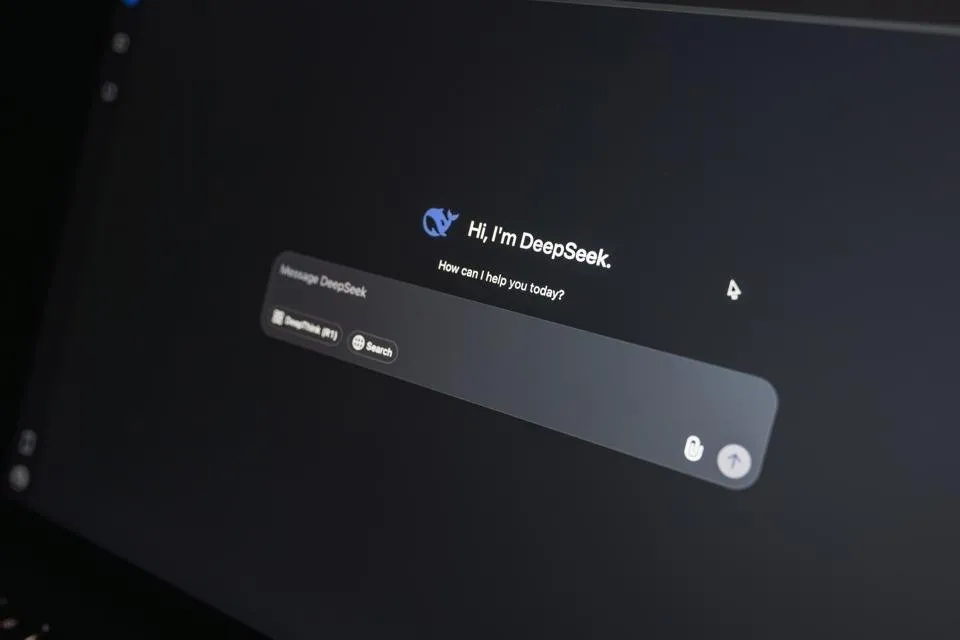
A fan wants to know who sponsors the No. 22 car or which brands back a favorite IndyCar driver, so they put the question to an AI assistant. The answer may arrive without a single visit to the team, sponsor, or series website — and it may be assembled from sources none of them control.
That creates a new problem for motorsports sponsorships. Visibility on the car still matters, but so does what happens when that visibility turns into curiosity. If AI becomes the place where fans get the answer, teams and sponsors have to make sure the relationship is represented accurately there, too.
The Sponsorship Dollar Now Has to Survive a Zero-Click World
A sponsor pays for a decal, a hospitality suite, and a hashtag. What they’re actually buying is a chain of moments where a curious fan goes hunting for more. That chain used to land somewhere predictable: a team page, a driver bio, a brand’s landing page.
Not anymore. If two-thirds of the curiosity a race weekend generates dies inside a summary box, every line item on a sponsorship deck needs a new plan for what happens between the question and the click that never arrives.
AI Answers Are Rewriting Who Gets Credit for a Fan
When a fan asks an AI assistant about a race team, the model stitches together whatever it was trained on and whatever it can pull in the moment. Press releases. Forum threads. Driver interviews from three seasons ago. Years of stale copy nobody bothered to update. The sponsor’s own site might not even make the cut.
For a team, that changes the shape of a partnership pitch. Promising eyeballs on a car isn’t enough. Sponsors want proof that when a fan asks a machine who backs the program, the machine names them, spells it right, and links to the right place.
Race Teams and Sponsors Should Do the Housekeeping First
The fix isn’t a bigger ad buy. It’s closer to housekeeping: making sure the sources AI models trust say the right things about you. A few practical moves:
- Audit what the machines already say. Ask the major assistants who sponsors your team, who drives what, and where to buy tickets or merch. Write down every wrong answer. That list is your brief.
- Fix the primary sources. Team pages, driver bios, press kits, and sponsor pages should state the current relationship in plain, unambiguous language. Models copy what’s confident and consistent.
- Feed the citation layer. Motorsport outlets, wire services, and reputable databases are the pages AI tools quote back. A steady drumbeat of accurate coverage is worth more than one splashy announcement.
- Make structured data part of the inventory. Schema markup, driver stats, race results, and partnership details in machine-readable form give assistants something clean to pull from.
Discovery Is Becoming a Line Item on the Sponsorship Deck
The teams that will keep commanding premium sponsorship dollars are the ones who can walk into a boardroom and show, in screenshots, how the AI answer looks today and how it will look after the deal is signed. That kind of visibility work sits alongside traditional SEO and is often bundled under adaptive search strategies built for AI-first discovery.
It’s also becoming a renewal argument. When a sponsor asks what they got for last season’s spend, “we’re the first brand cited when fans ask about the team” lands harder than an impressions chart. The paint job still matters. So does what the machine says about it.

Why “One Less Thing to Think About” Is an Underrated Luxury

Why Football Fans Never Forget an Underdog Win

The Hidden Admin Load Reshaping Healthcare Burnout in 2026

The Cost of Deferred Maintenance: How Small Building Problems Become Big Business Expenses

The Cleaning Decisions That Shape Focus, Mood, and Sick Days at Work

The Sticky House Problem: Why Your AC Cools the Air but Leaves the Room Feeling Damp

Why “Good Enough” Is a Skill: How Precision Thinking Improves Everyday Decisions

Substack on Windows: following writers, podcasts, and livestreams

When AI Answers the Sponsorship Question Before Fans Ever Click

From Prediction to Kick-Off: What Sports Fans Check Before a Big Match

10 Reasons LEGO is Worth Getting into as an Adult

Actionable SWOT: How to Turn Your Strategic Analysis into a Functional Work Plan

Four Ways to Reduce Risk in Your Technology Supply Chain

So You’ve Got Multiple Offers for Your Business. Now What?

What to Do When Everyday Movements Become Painful

What Is the Construction Process Behind Modern Wind Power Plants?

How to Recover Faster From Everyday Injuries

How to Identify and Eliminate Efficiency Gaps in Complex Business Operations

Top Ways to Ask for Help

What Makes an Online Casino Safe Before You Even Play

 Health12 months ago
The Power of Prevention in Modern Medicine

 Entertainment10 months ago
Casino Bonuses in Latvia: Comparing Offers and Tips for Beginners

 LifeStyle10 months ago
Why Support Systems Matter More Than We Admit During Hard Times

 LifeStyle8 months ago
Should You Buy or Build Your Next Home? Here’s How to Decide (Without Losing Sleep Over It)

 Work11 months ago
How to Create a Comfortable Environment for Your Team

 Health10 months ago
The Support Systems That Keep Independent Practices Competitive

 Finance11 months ago
How to Actually Protect Your Money with Smart Financial Moves

 Gifts12 months ago
Rose Bouquet Flower: timeless elegance for every occasion