
LifeStyle
Creating a Lifestyle That Supports You


Lifestyle is not about trends; it’s all about how your days actually feel when no one is watching. Most people do not struggle because they lack motivation; they struggle because their routines aren’t supporting them. They have small daily pressures that stack up over time.
Even simple tasks start to feel heavier than they should. A supportive lifestyle doesn’t mean a perfect schedule or constant self-improvement; it just means that you’re building days that work with your energy rather than working against it. Let’s break down what that looks like in real life.

Paying Attention to How Your Days Feel
Here’s something that many lifestyle advice guides often overlook: you can mimic someone else’s routine and still feel exhausted. What truly matters is how your day feels from the inside.
When do you personally feel rushed? When do you feel calm? And when do you feel most like yourself? Start by paying attention to these patterns. Do your mornings feel chaotic? Do you find yourself going non-stop without any rest until your weekends become a time for recovery instead of enjoyment?
These clues indicate where you may need more support. Lifestyle changes work best when they align with your actual experiences rather than an ideal version of how things should be.
Simple Routines That Create Stability
Stability does not come from doing more; it comes from doing a few things consistently. A short morning routine can anchor your day. That might be simply making your bed, stepping outside for some fresh air, or even writing one page in a notebook. Evening routines might have just as much importance; they tell your nervous system the day is winding down.
Dim your notifications, dim the lights down, and do something that’s repetitive and calm. These habits might sound basic, but they are meant to be basic; that’s why they work. You do not need a lifestyle overhaul; you need small signals to tell your body and mind that things are under control.
Focused Activities That Quiet the Noise
Not all forms of rest involve lying down. Some of the most calming activities are those that fully engage your attention without overwhelming you, such as reading, drawing, cooking, and doing puzzles. Games like chess can also provide this kind of focus. When you play, your mind stays in the moment, allowing you to stop replaying past conversations or worrying about tomorrow.
You concentrate on one move at a time, and that mental shift is important; it gives your brain a break from constant background stress. You don’t need to be skilled at something for it to help you; it just needs to be engaging enough for everything else to fade away for a while.
Your Environment Shapes Your Lifestyle
You also notice that your mood is affected more than you might actually think. If you have cluttered spaces, it starts to create low-level stress. Harsh lighting can make you feel on edge, and noises keep your body alert when you should be resting.
Small changes can help: clear one surface at a time, add a lamp with warmer light, and open a window when you can. Your home does not need to look a certain way; it needs to feel safe and manageable for your lifestyle. Support often starts by making your space work for you and for your nervous system.
The Role of Support Systems in Everyday Life
No lifestyle works in isolation; people thrive when they feel supported. This doesn’t mean you need to rely on others for absolutely everything, but it’s important to know that you are not carrying your burdens alone.
Support systems look different for everyone; it could be a friend you can text honestly, a family member who listens, or a coworker who understands the workload you’re dealing with. These connections provide perspective and remind you that your struggles are not yours alone; they can be shared and are not personal failures.
Strong support systems also make lifestyle changes much easier to maintain. When someone checks in or participates in your routine, it helps keep you accountable. If you feel disconnected, start off small. Even one conversation can shift your perspective more than you might realize.
Balancing Productivity and Rest
Modern life pushes productivity hard; there is always something else that you could be doing. That type of pressure can make rest feel necessary, rather than feeling like a reward. Rest should not be seen as a reward; it is something that is maintenance for you. Without rest, productivity drops everywhere, focus fades, motivation disappears, and frustration rises.
A supportive lifestyle treats rest as non-negotiable. You need to schedule in breaks, protect your sleep, and leave gaps in your calendar. Doing less on purpose means that you’re going to have more energy for what actually matters.
Letting Go of Comparison
Lifestyle content often creates subtle pressure. When you see perfect meals, balanced schedules, and flawless Polish routines online, it’s easy to think you’re doing something wrong. In reality, most people are figuring things out day by day. What you see online is heavily edited, while what you experience is real.
Comparison drains your energy, which could be better spent building a life that suits you. Instead of asking why your routine doesn’t look like someone else’s, focus on whether your routine is supporting you in the moment. That question is far more important.
Building Flexibility Into Your Life
Rigid routines can break very easily. A supportive lifestyle allows room for change, bad days, busy weeks, and low energy. Seasonal flexibility keeps habits from turning into pressure. If you miss a workout, you can just adjust.
If your routine slips, you just need to reset. And if your needs change, your lifestyle can change too. Consistency does not mean you need perfection; it means that you need to return to what helps.
Conclusion
A good lifestyle supports you quietly. It helps you feel steady, focused, and less overwhelmed. If you do this, it’s going to give you space to think, rest, and connect.
Whether that support comes from focused activities like chess, calming routines, or having reliable support systems in place, the goal is always the same: you want to make sure that you feel like your life is holding you rather than wearing you down.

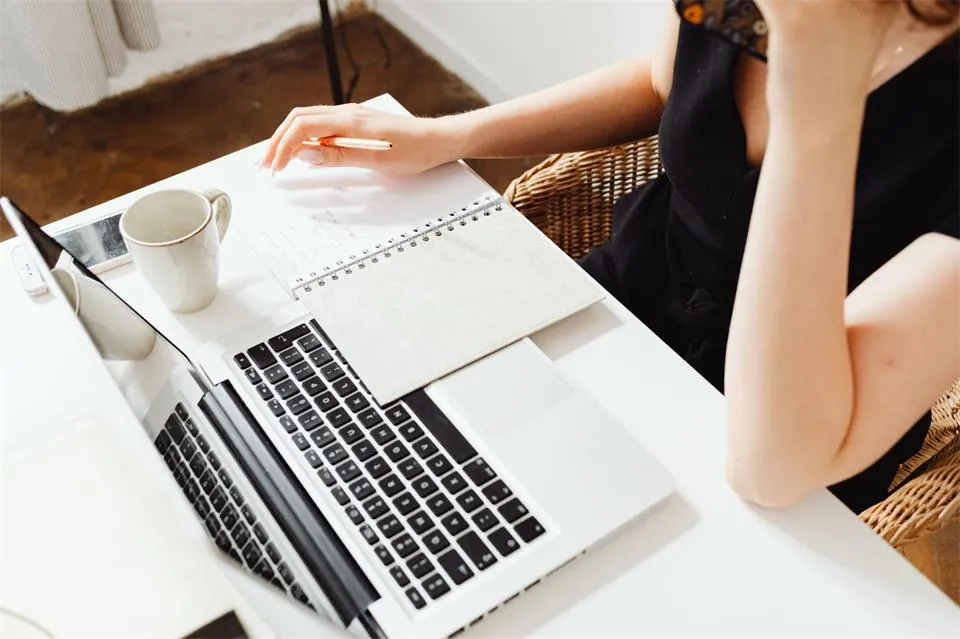
It’s a common feeling, being swamped by a to-do list that just won’t shrink, whether it’s at work or in your personal life. Always feeling like you need to do more with less time can really lead to stress and burnout.
The real answer isn’t to work longer hours, but to work smarter. When you get good at managing your time, you’ll be more productive, less stressed, and feel more in control of your day.
Identify Your Biggest Time Wasters
Before you can really get a handle on your time, you need to know where it’s actually going. For one week, try a simple time audit. Grab a notebook or use a basic app to jot down what you’re doing every 30 minutes.
What you find might surprise you. You could realize that “quick” social media checks are eating up an hour of your day, or that you’re spending a lot of time on small administrative tasks that don’t really move the needle.
Once you spot these time sinks, you can start to fix them. Maybe that means using an app to block distracting websites during work hours, or grouping similar tasks, like answering emails, into specific time slots. Just becoming aware of your habits is the first big step toward building better ones and finding useful time management tips at work.
Leverage Smart Automation
Lots of the repetitive stuff we do every day can actually be handled by technology. Smart automation means setting up systems to do routine tasks for you, which frees up your brainpower for tougher problems. You don’t need to be a tech wizard for this. Even simple tools can make a huge difference.
Think about setting up email filters to automatically sort new messages, or using scheduling software so you don’t have to go back and forth just to book meetings. If you manage social media, content schedulers can post updates for you.
The goal is to identify repetitive tasks and determine whether they can be automated. This smooths out your workflow and makes sure those small but necessary jobs get done without you having to step in every time.
Strategic Delegation for Growth
You don’t have to do everything yourself. Learning to delegate effectively is a powerful way to grow, letting you focus on what you’re best at and the tasks that bring the most value. This holds whether you lead a team, run your own business, or work solo. Start by figuring out which tasks are important but don’t specifically need your unique skills.
For business owners, this might mean hiring a virtual assistant to handle administrative work. In industries that require specialized expertise, partnering with experienced providers can be even more valuable.
For example, personal injury law firms can benefit from dedicated litigation support that helps manage litigation workloads, allowing attorneys to focus on client relationships, case strategy, and growing their practice. By strategically delegating responsibilities, you create more time to concentrate on the work that delivers the greatest impact.
Prioritize Tasks for Maximum Impact
Not all tasks are created equal. To really get ahead, you need to know the difference between what’s urgent and what’s important. The Eisenhower Matrix is a simple but effective tool for this, splitting tasks into four groups:
- Urgent and Important: These are like crises or deadlines that need your attention right now. Do them immediately.
- Not Urgent and Important: This is where you should spend most of your time. Think strategic planning, building relationships, and professional growth. Schedule these in.
- Urgent and Not Important: These are often interruptions or other people’s priorities. Try to delegate them whenever you can.
- Not Urgent and Not Important: These are just distractions and time-wasters. Get rid of them.
Using this framework helps you shift from just reacting to being more proactive. When you learn to master time management skills, you can make sure your efforts are always focused on what truly matters most.
Cultivate a Stress-Free Workflow
Poor time management is a big cause of stress. When you constantly feel behind, your well-being takes a hit. The trick to staying balanced is creating a workflow that’s structured but also flexible.
One popular method is time blocking, where you plan out your whole day in advance, giving specific tasks their own time slots. This includes scheduling breaks, which are super important for avoiding burnout and staying focused.
Another helpful technique is the Pomodoro Technique, which involves working intensely for 25 minutes, then taking a short break. This can boost your concentration and make big tasks feel less overwhelming. Ultimately, the best system is one you can actually stick with.
Try out different approaches to find a routine that helps you get things done without feeling constantly rushed.
Getting a handle on your time is something you’ll keep working on and improving. Pick one of these strategies to start with and try to use it consistently. Small changes, when you practice them over time, can really make a big difference in how productive you are and your overall quality of life.

Beauty is often associated with skincare, fashion or wellness routines. Yet one important factor is frequently overlooked: the spaces we interact with every day.
The environment around us influences mood, confidence and even the way we approach daily rituals. A thoughtfully organised dressing room, a carefully arranged vanity or a beautifully designed wardrobe can transform routine moments into experiences that feel more intentional.
This is one reason why people are paying increasing attention to the aesthetics of their personal spaces.

Beauty is no longer limited to products. It has become part of the environment itself.
The Psychology of Visual Order
Studies in environmental psychology consistently show that organised and visually pleasing spaces can help reduce stress and create a greater sense of control.
When everything has a place, everyday decisions become easier. Morning routines feel calmer. Getting dressed becomes more enjoyable.
This shift has encouraged many homeowners to rethink the purpose of their wardrobes and dressing rooms. Rather than treating them purely as storage areas, they are creating spaces that inspire creativity and self-expression.
Fashion plays an important role in this transformation.
The clothes we choose often reflect our personality, confidence and aspirations. Seeing favourite pieces displayed thoughtfully can reinforce that connection.
Small Details That Change a Space
Creating a more beautiful dressing area does not necessarily require a complete renovation.
Often, a few carefully chosen elements make the biggest difference:
- Displaying favourite outfits rather than hiding them away.
- Creating visual focal points within the room.
- Choosing natural materials that add warmth and character.
- Organising clothing in a way that feels inspiring rather than purely functional.
- Surrounding yourself with items that reflect your personal style.
These small adjustments can completely change the atmosphere of a space.
When Fashion Meets Interior Design
One of the most interesting developments in recent years is the growing overlap between fashion and interior design.
People are increasingly treating their favourite garments as part of their environment rather than simply items to be stored. As a result, fashion mannequins are finding a place in private dressing rooms, bedrooms and walk-in wardrobes.
BONAMI, the Belgian manufacturer recognised for its craftsmanship and expertise in visual presentation, creates mannequins that fit naturally into this concept.
The female wooden mannequins available through PRUSSARIO are crafted from natural wood and feature articulated arms, movable wrists and adjustable fingers. Their elegant appearance allows them to function not only as presentation tools, but also as distinctive design elements.
Unlike traditional retail mannequins, they contribute warmth, texture and personality to a space.
A More Intentional Approach to Beauty
Beauty is not only about how we look. It is also about how we feel in the environments we create for ourselves.
A thoughtfully designed dressing room can make everyday routines more enjoyable. Favourite garments become easier to appreciate. Personal style becomes more visible and accessible.
In a world that often feels rushed, surrounding ourselves with beauty in small, meaningful ways can have a surprisingly positive impact.
Sometimes self-care begins not with a product, but with the space around us.

Mornings with young children can feel like a race against the clock. Between getting dressed, packing bags, preparing breakfast, and making sure everyone leaves the house on time, the daily drop off routine can quickly become stressful. However, a few simple changes can make mornings calmer for both parents and children.
Creating a predictable routine helps children feel more secure and prepared for the day ahead. Whether your child attends child care Monterey or another early learning environment, having consistent steps before leaving home can make the transition smoother and reduce last-minute pressure.
Prepare as Much as Possible the Night Before
One of the easiest ways to improve your morning routine is to move small tasks to the evening before. This gives everyone more time to wake up, get organised, and start the day without unnecessary rushing.
Try preparing:
- Clothing for the next day
- Lunches and snacks
- Bags and required items
- Water bottles
- Any comfort items your child needs
A few minutes of preparation at night can prevent many common morning frustrations.
Create a Simple Morning Routine
Young children often respond well to routines because they know what to expect. A consistent sequence of activities helps them understand what needs to happen before leaving the house.
Your routine might include:
- Waking up at the same time each day
- Getting dressed before breakfast
- Eating a simple meal together
- Brushing teeth and completing final preparations
- Leaving with enough time to arrive comfortably
The routine does not need to be complicated. The goal is to create familiarity and reduce decision-making when everyone is still waking up.
Give Children Time to Transition
For some children, leaving home and separating from parents can be challenging. A rushed goodbye can make the process more difficult, especially if they are feeling tired or unsure about the day ahead.
Allow a few extra minutes for:
- A quick conversation about the day
- A goodbye hug or special phrase
- Putting belongings away calmly
- Settling into the environment
A positive and predictable goodbye can help children feel confident during drop off.
Keep Goodbyes Short and Positive
Many parents worry when their child becomes upset during drop off. While it can be difficult to see, a long goodbye often makes the separation harder.
Instead:
- Stay calm and reassuring
- Avoid repeatedly returning after saying goodbye
- Let educators support the transition
- Use a consistent farewell routine
Children often take emotional cues from adults, so showing confidence can help them feel more comfortable.
Involve Your Child in Preparation
Giving children small responsibilities can make them feel more independent and involved. Even simple tasks can turn the morning routine into a shared activity.
Depending on their age, children can help by:
- Choosing between two outfits
- Packing a favourite item
- Carrying their own bag
- Checking that they have everything they need
These small choices can build confidence and make mornings feel less like a struggle.
Leave Extra Time for Unexpected Moments
Even the best routines can be interrupted. Shoes go missing, breakfast takes longer than expected, or a child suddenly needs extra attention.
Building a small time buffer into your morning can make a big difference. Leaving home ten minutes earlier may reduce stress and allow everyone to arrive feeling more relaxed.
Stay Consistent, Even When Mornings Are Difficult
Some mornings will not go according to plan, and that is completely normal. The goal is not to create a perfect routine but to build habits that make most days easier.
Children often need time to adjust to new routines, so consistency matters. Over time, familiar steps can help them feel more confident about leaving home and starting their day.
A smoother morning drop off begins with preparation, patience, and realistic expectations. By creating simple routines, involving your child, and allowing extra time, you can make the start of the day feel more manageable for everyone.

Helakuru on Windows: Typing Sinhala Beyond the Phone Screen

The Small Math of a Facial Change and a Bigger Self-Image

Enterprise Event Logistics: 5 Tips to Evaluate Frame Strength and Fabric Ratings for Multi-City Event Tours

How to Manage Your Time More Effectively Every Day

Why Beautiful Spaces Influence the Way We Feel About Ourselves

Simple Ways to Make Morning Drop Off Easier

How to Protect Your Hearing Without Changing Your Job

Boost Your Career with Strategic Upskilling

The Small Decisions That Make Everyday Life Easier

How Regular Therapeutic Massage 30a Enhances Overall Well-Being

The Best Approach To Buying A Car

The Skills Children Develop Before They Even Start School

Why People Are Rethinking Their Relationship With Money

Simple Ways to Help Young Children Build Social Skills Earlier

Why Sitting All Day Can Create Long-Term Muscle Imbalances

What Happens After You’re Arrested For Driving While Intoxicated?

Streamline Your Business by Adopting These Practices

10 Reasons LEGO is Worth Getting into as an Adult

What to Do When Everyday Movements Become Painful

7 Questions Every Employee Should Ask Before Signing a Settlement Agreement

 Business11 months ago
Do You Really Need Those Extra Features? Here’s How to Decide for Your Business

 Social Media11 months ago
How to Expand Your YouTube Channel Globally | Ultimate Guide

 Health11 months ago
Sleeping: Are You Getting Enough?

 Business12 months ago
Pharmacy Inventory Mistakes That Hurt Your Bottom Line

 Business11 months ago
Stand Out with Well-Designed Letters for Business and Personal Needs

 LifeStyle12 months ago
Building Resilience and Strength for a Fulfilling Later Life

 Health10 months ago
The Power of Prevention in Modern Medicine

 LifeStyle12 months ago
Top Benefits of Senior Assistance for Daily Living