
Home Improvement
Did You Know Your AC Is Working Harder in October Than August?

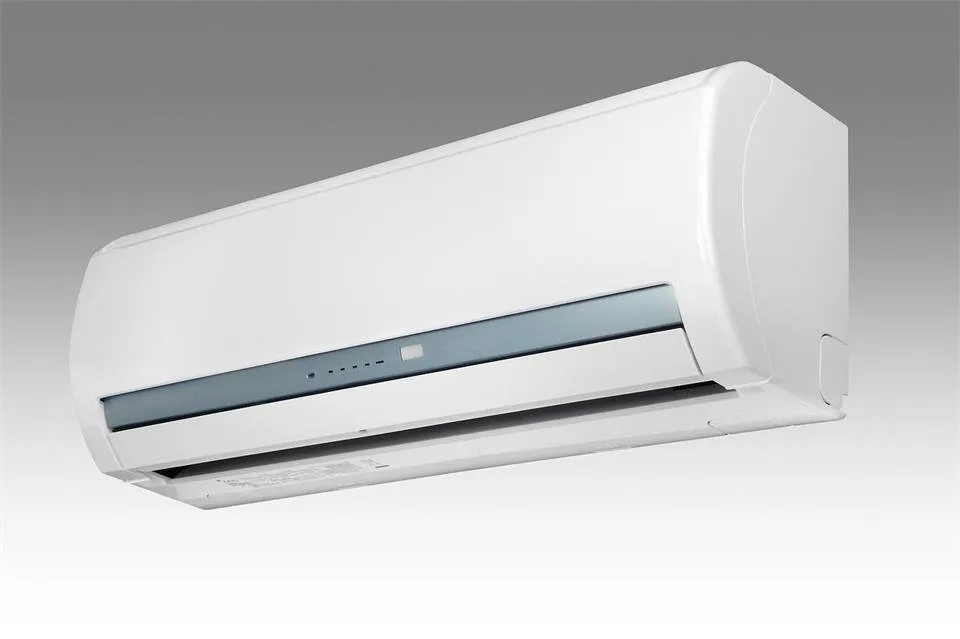
A 72-degree October afternoon can push an air conditioner harder than a 95-degree August one. If that sounds backwards, blame the way most of us were taught to think about cooling. We treat it as a temperature problem, when it’s also a moisture problem. Fall is when the moisture half shows up without the heat to hide behind.
So when you notice the system humming for 40 minutes straight on a mild day, the right question isn’t “what’s wrong with the AC?” It’s “what is the house asking it to do right now?” The honest answer tells you a lot about your home, and often about whether you need an AC repair team or just a sharper eye on the building itself.
Why Is the AC Running So Much When It’s Not Even Hot Out?
Cooling your home is two jobs stacked on top of each other. The system has to drop the air temperature (the sensible load), and it has to pull water vapor out of the air (the latent load). In August, both loads are huge, and the thermostat setpoint gets satisfied so quickly that moisture removal happens almost as a side effect of long, hot-day runtimes.
Fall flips that balance. Outdoor temperatures ease off, but the air outside (and the air leaking into your house) is still carrying a lot of water. DOE guidance on humidity control in cooling climates notes that there are stretches of the year when sensible load is low but latent load stays stubbornly high.
The thermostat is close to happy. The air carries more water than it should, so the system runs and runs, trying to wring the room dry.
Does a Longer Cycle Mean My System Is Failing?
In a lot of homes, a longer cycle is the system finally doing what it was supposed to do all summer. Short, punchy cycles feel efficient, but they’re often a sign of an oversized unit that cools the air fast and shuts off before it has time to dehumidify. The thermostat reads 74, the house feels clammy, and you blame the AC.
A right-sized system behaves differently. It runs longer at steadier output, pulls more water across the coil, and leaves the house comfortable at a higher setpoint. If your fall cycles are long but the house feels dry and even, that’s a feature, not a problem. If they’re long and the house still feels sticky, something else is going on.
What Is My House Telling Me by Running Longer?
A long fall cycle is a readout on the building, not just the equipment. A few of the common stories it tells:
- The envelope is leaky. Outside air finds its way in through rim joists, recessed lights, attic hatches, and the unsealed seams around ductwork. Mild outdoor temperatures mask the heat gain, but the moisture rides in with it.
- The ducts are drinking attic air. Return-side leaks pull hot, humid air from attics, garages, and crawlspaces straight into the system. The AC ends up conditioning the attic as much as the living room.
- The system is likely oversized. Summer heat covered for it. In fall, with less sensible load to chase, the short cycles that used to feel “snappy” leave humidity high enough to notice.
- The house is tighter than it used to be. New windows or added insulation cut heat gain faster than they cut moisture load, so the ratio shifts and your old equipment behavior starts to feel off.
What Should I Do Before Writing a Check for a New System?
Resist the urge to replace the equipment first. Longer fall runtimes rarely mean the AC is dying. More often, the house and the system are out of sync in a way a technician can diagnose in an afternoon. Before you spend big, work the cheap stuff:
- Change the filter. A loaded filter chokes airflow across the coil and hurts both cooling and dehumidification.
- Walk the ductwork. Look for disconnected returns, crushed flex, and obvious unsealed seams in attic or crawlspace runs. Mastic and foil tape go a long way.
- Put a hygrometer in the main living area. Track the actual humidity for a week before you call anyone, so you can describe the pattern instead of guessing at it.
- Get a real load calculation. If you’re replacing equipment, insist on a Manual J calculation rather than a swap of “same size as the old one.” Oversizing is how a brand-new system ends up with the same clammy problem.
When Long Runtimes Are Actually the Problem
There is a version of this where the AC really is in trouble. If cycles stretch past an hour and the house still won’t hit setpoint, if the air coming out of the registers feels close to room temperature, if the outdoor unit is icing up, if the electric bill jumps for no obvious reason, those are different signals. A house asking the system to work harder looks nothing like a system that has run out of capacity, and these symptoms point to the second.
The useful habit is to pay attention in October the way you don’t in August. Fall is when your home shows you where its weak spots are, cheaply and without an emergency. Listen to it now and winter gets easier too.

Home Improvement
The Sticky House Problem: Why Your AC Cools the Air but Leaves the Room Feeling Damp
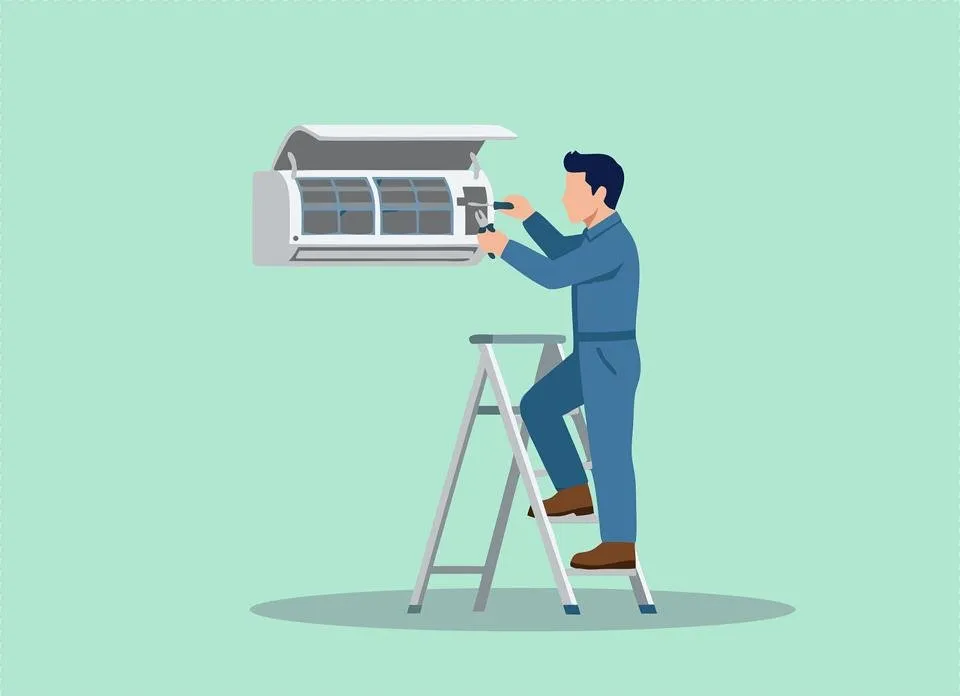
A cold room can still feel clammy, and that’s the whole problem with how most people judge an air conditioner. The thermostat reads 72, the vents are blowing, the compressor is doing its job on paper, and yet the couch fabric feels tacky and the bathroom mirror stays foggy long after a shower.
That clammy feeling is moisture the system never pulled out of the air, not temperature. Cooling and dehumidifying are two different jobs, and a lot of homes and offices are set up so the equipment does the first one well and the second one badly.
Understanding why comes down to what’s happening at the coil, how the equipment was sized, and how long it actually runs. Once you see that, the fix stops looking like a thermostat problem.
Cool Air and Dry Air Are Not the Same Thing
An air conditioner does two jobs at once. It lowers the temperature (sensible cooling) and it pulls water out of the air (latent cooling). Both happen at the evaporator coil.
Warm, humid air from your rooms passes over a very cold surface, the temperature drops, and moisture condenses on the coil and drips into a pan that drains outside. That condensate line running out the side of the building is the visible sign the system is dehumidifying.
The catch is that moisture removal only happens while the coil is cold AND air is moving across it long enough for water to actually condense. Short runs cool the air a little but barely touch the humidity. You end up with a room that feels chilly and damp at the same time, which is the worst combination for comfort and for the building.
The comfort target most engineers work toward is roughly 30 to 60 percent relative humidity indoors, and EPA guidance recommends staying below 60 percent to keep mold and dust mites from taking hold. Sit above that for a few days and you’ll smell it before you measure it.
Turning the Thermostat Down Makes It Worse
The intuitive move when a room feels muggy is to drop the setpoint a few degrees. It rarely helps and often backfires.
The thermostat is a temperature control, and using it to chase humidity is where the whole cycle of frustration begins.
Oversized Equipment Is the Most Common Culprit
Bigger is not better in cooling. An oversized system reaches the setpoint so quickly that it short-cycles, and short cycles are exactly when latent removal falls off a cliff. A unit that’s too large cools the space too fast and shuts off before it can pull the moisture out. The building stays cold and wet.
This is why proper load calculations matter more than the tonnage on the nameplate. A contractor who sizes by square-foot rule-of-thumb, or who upsizes “to be safe,” tends to leave a humidity problem behind.
On the commercial side, it’s often the pumps, coils, and controls in the chilled-water loop that decide how steadily the system runs and how much latent capacity you actually get; the primer on chiller pumps is a good starting point if you’re trying to understand why a building with plenty of nominal cooling still feels damp.
Airflow, Dirty Coils, and the Boring Stuff That Matters
Assuming the equipment is sized reasonably, most nagging humidity problems come down to a handful of unglamorous issues.
- Dirty filters and coils. A coated coil can’t transfer heat efficiently, so it doesn’t get cold enough to condense water out of the airstream.
- Fan speed set too high. Blowers cranked up for maximum airflow move air across the coil too fast for moisture to condense, cutting latent capacity even when the system is running.
- Leaky ducts and envelope. Return leaks pull humid air from attics, crawlspaces, or outside straight into the system, and unsealed openings around doors and windows keep feeding the load faster than the AC can remove it.
- Clogged condensate drains. If water can’t leave the pan, it sits there and re-evaporates back into the supply air, undoing the dehumidification the coil just did.
None of this shows up on the thermostat. All of it shows up in how the room feels.
What Actually Fixes a Humid Building
Start with measurement. Put a cheap hygrometer in the worst room and one in a comfortable one. If the humid room stays noticeably above the comfortable one while the AC is running, you have a latent problem, not a temperature problem. Now you can act on evidence instead of guessing.
From there, the real fixes usually fall into a few categories: get the equipment sized and serviced correctly, seal the envelope so you stop importing humid outdoor air, and add dedicated dehumidification when the cooling load is too small to pull enough moisture on its own. Tight, well-insulated buildings often need a whole-house or standalone dehumidifier precisely because they don’t need much sensible cooling, so the AC barely runs. Blame the latent load, not the AC; it has outgrown what a temperature-driven machine can handle.
The pattern is consistent whether it’s a bungalow or a mid-rise office. Cold air isn’t the goal. Dry, steady, comfortable air is. Get the moisture out and the same room at the same temperature will feel noticeably better, and the equipment will run less doing it.

Beauty is often associated with skincare, fashion or wellness routines. Yet one important factor is frequently overlooked: the spaces we interact with every day.
The environment around us influences mood, confidence and even the way we approach daily rituals. A thoughtfully organised dressing room, a carefully arranged vanity or a beautifully designed wardrobe can transform routine moments into experiences that feel more intentional.
This is one reason why people are paying increasing attention to the aesthetics of their personal spaces.

Beauty is no longer limited to products. It has become part of the environment itself.
The Psychology of Visual Order
Studies in environmental psychology consistently show that organised and visually pleasing spaces can help reduce stress and create a greater sense of control.
When everything has a place, everyday decisions become easier. Morning routines feel calmer. Getting dressed becomes more enjoyable.
This shift has encouraged many homeowners to rethink the purpose of their wardrobes and dressing rooms. Rather than treating them purely as storage areas, they are creating spaces that inspire creativity and self-expression.
Fashion plays an important role in this transformation.
The clothes we choose often reflect our personality, confidence and aspirations. Seeing favourite pieces displayed thoughtfully can reinforce that connection.
Small Details That Change a Space
Creating a more beautiful dressing area does not necessarily require a complete renovation.
Often, a few carefully chosen elements make the biggest difference:
- Displaying favourite outfits rather than hiding them away.
- Creating visual focal points within the room.
- Choosing natural materials that add warmth and character.
- Organising clothing in a way that feels inspiring rather than purely functional.
- Surrounding yourself with items that reflect your personal style.
These small adjustments can completely change the atmosphere of a space.
When Fashion Meets Interior Design
One of the most interesting developments in recent years is the growing overlap between fashion and interior design.
People are increasingly treating their favourite garments as part of their environment rather than simply items to be stored. As a result, fashion mannequins are finding a place in private dressing rooms, bedrooms and walk-in wardrobes.
BONAMI, the Belgian manufacturer recognised for its craftsmanship and expertise in visual presentation, creates mannequins that fit naturally into this concept.
The female wooden mannequins available through PRUSSARIO are crafted from natural wood and feature articulated arms, movable wrists and adjustable fingers. Their elegant appearance allows them to function not only as presentation tools, but also as distinctive design elements.
Unlike traditional retail mannequins, they contribute warmth, texture and personality to a space.
A More Intentional Approach to Beauty
Beauty is not only about how we look. It is also about how we feel in the environments we create for ourselves.
A thoughtfully designed dressing room can make everyday routines more enjoyable. Favourite garments become easier to appreciate. Personal style becomes more visible and accessible.
In a world that often feels rushed, surrounding ourselves with beauty in small, meaningful ways can have a surprisingly positive impact.
Sometimes self-care begins not with a product, but with the space around us.

It’s often the little things—not the major milestones—that shape how your day unfolds. A well-organized kitchen, a dependable morning routine, or a home that functions as expected can save time, reduce stress, and make everyday life feel more manageable.
While it’s tempting to focus on big home improvement projects, the smallest decisions are often the ones that have the greatest long-term impact. By making thoughtful choices and addressing minor issues before they grow, you can create a home that supports your lifestyle with less effort.
Choose Convenience Over Clutter
Every home naturally collects items over time, but too much clutter can make even simple tasks feel more complicated. Keeping frequently used items within easy reach, creating designated storage spaces, and regularly clearing out what you no longer need can make your home feel more functional.
These small organizational habits don’t just improve appearance—they also make daily routines smoother. Whether you’re preparing meals, getting ready for work, or cleaning up after a busy day, an organized space helps everything flow more efficiently.
When the amount that needs removing goes beyond a normal tidy-up, services such as SRW Services can help clear unwanted furniture, household items and general clutter so the space can be made usable again.
Don’t Ignore Recurring Annoyances
Everyone has a few household quirks they’ve learned to live with. Maybe it’s a cabinet door that won’t stay shut, a faucet that drips occasionally, or a door that sticks during humid weather. While these problems may seem insignificant, they can slowly become part of your daily frustration.
Instead of putting them off indefinitely, consider tackling one small issue each month. Completing minor repairs regularly is often more manageable than facing several larger projects all at once. Over time, these improvements make your home feel more comfortable and easier to maintain.
Know When It’s Time to Call a Professional
Some home projects are perfect for a weekend DIY session, but others require specialized knowledge and equipment. Plumbing, electrical work, and structural repairs often fall into that category, especially when the underlying cause isn’t immediately obvious.
If you notice recurring leaks, slow drains, unusual water pressure, or other plumbing concerns that don’t improve with basic troubleshooting, it’s often best to consult experienced professionals such as Bluefrog Plumbing. Addressing problems early can help prevent more extensive damage while giving you confidence that the work has been completed safely and correctly.
Knowing when to ask for expert help isn’t about avoiding DIY projects—it’s about making smart decisions that protect your home over the long term.
For more substantial home improvements involving electrical installations, bathroom renovations or structural alterations, experienced companies such as DWG Contractors can help homeowners plan and complete their projects safely and efficiently.
Invest in Quality Where It Matters
Not every purchase needs to be top of the line, but investing in quality for the things you use every day often pays off. Durable fixtures, reliable appliances, and well-made household products typically last longer and perform better than cheaper alternatives.
This approach can also reduce the need for frequent repairs or replacements, saving both money and time over the years. Focusing on long-term value rather than short-term savings helps create a home that’s dependable as well as comfortable.
Let Small Improvements Add Up
Creating a better home doesn’t happen overnight. It’s the result of hundreds of small decisions made consistently over time. Fixing minor problems promptly, choosing practical upgrades, staying organized, and knowing when to bring in professional support all contribute to a living space that works for you instead of against you.
Rather than waiting for a major renovation to transform your home, focus on the everyday choices within your control. Those small improvements may seem insignificant on their own, but together they create a home that’s more efficient, less stressful to maintain, and better suited to your lifestyle for years to come.

Did You Know Your AC Is Working Harder in October Than August?

Why “One Less Thing to Think About” Is an Underrated Luxury

Why Football Fans Never Forget an Underdog Win

The Hidden Admin Load Reshaping Healthcare Burnout in 2026

The Cost of Deferred Maintenance: How Small Building Problems Become Big Business Expenses

The Cleaning Decisions That Shape Focus, Mood, and Sick Days at Work

The Sticky House Problem: Why Your AC Cools the Air but Leaves the Room Feeling Damp

Why “Good Enough” Is a Skill: How Precision Thinking Improves Everyday Decisions

Substack on Windows: following writers, podcasts, and livestreams

When AI Answers the Sponsorship Question Before Fans Ever Click

Actionable SWOT: How to Turn Your Strategic Analysis into a Functional Work Plan

So You’ve Got Multiple Offers for Your Business. Now What?

Four Ways to Reduce Risk in Your Technology Supply Chain

What to Do When Everyday Movements Become Painful

What Is the Construction Process Behind Modern Wind Power Plants?

How to Recover Faster From Everyday Injuries

Top Ways to Ask for Help

How to Identify and Eliminate Efficiency Gaps in Complex Business Operations

What Makes an Online Casino Safe Before You Even Play

How Do Recycling Facilities Use Shredders for Plastic Waste Processing?

 Health12 months ago
The Power of Prevention in Modern Medicine

 Entertainment10 months ago
Casino Bonuses in Latvia: Comparing Offers and Tips for Beginners

 LifeStyle10 months ago
Why Support Systems Matter More Than We Admit During Hard Times

 LifeStyle9 months ago
Should You Buy or Build Your Next Home? Here’s How to Decide (Without Losing Sleep Over It)

 Health10 months ago
The Support Systems That Keep Independent Practices Competitive

 Work11 months ago
How to Create a Comfortable Environment for Your Team

 Finance11 months ago
How to Actually Protect Your Money with Smart Financial Moves

 Gifts12 months ago
Rose Bouquet Flower: timeless elegance for every occasion