
LifeStyle
Building Resilience and Strength for a Fulfilling Later Life


Are you ready to live your later years with energy, confidence, and joy? Building resilience and strength isn’t just for the young-it’s essential for enjoying a fulfilling life as we age.
Simple habits, small lifestyle changes, and the right mindset can help you stay physically strong, mentally sharp, and emotionally balanced. In this guide, we’ll share practical tips to help you feel healthier, more capable, and ready to embrace every day.
Stay Physically Active
Exercise is one of the best ways to build strength and resilience. Regular physical activity keeps muscles strong, improves balance, and reduces the risk of falls. Seniors can start with gentle exercises like:
- walking
- stretching
- yoga
For those able, light strength training with resistance bands or weights can also help maintain muscle mass. Even small amounts of movement every day can make a big difference in overall health and energy levels.
Eat a Balanced Diet
Good nutrition is key to maintaining strength and energy. A diet rich in fruits, vegetables, whole grains, and lean proteins provides essential nutrients for the body. Calcium and vitamin D are important for bone health. While antioxidants can help protect cells from damage.
Seniors should also drink plenty of water to stay hydrated. Creating healthy eating routines can support the body’s ability to recover from illness and maintain overall wellness.
Keep the Mind Active
Mental resilience is just as important as physical strength. Engaging in activities that challenge the brain can help improve memory and cognitive function. Reading, puzzles, learning a new skill, or even playing games can stimulate the mind.
Social interaction also plays a crucial role in mental well-being. Talking with friends, joining clubs, or participating in group activities can reduce feelings of loneliness and keep the mind sharp.
Develop Emotional Strength
Life in later years can bring changes that are sometimes difficult to manage. Building emotional strength helps seniors cope with:
- stress
- loss
- health challenges
Practicing mindfulness, meditation, or simple breathing exercises can reduce anxiety and promote relaxation. Sharing feelings with trusted friends or family can also provide emotional support. It is important to recognize emotions and take steps to address them in a positive way.
Create Healthy Daily Habits
Simple daily habits can greatly improve resilience and strength. Maintaining a regular sleep schedule helps the body recover and stay alert. Limiting alcohol, avoiding smoking, and getting regular check-ups support long-term health.
Seniors should also find ways to stay engaged in life, such as volunteering, gardening, or exploring hobbies. Taking these steps can promote healthy habits for seniors and make everyday life more enjoyable and fulfilling.
All About a Fulfilling Later Life
Building resilience and strength in later life does not require drastic changes. By staying active, eating well, keeping the mind engaged, strengthening emotional health, and creating daily routines, seniors can enjoy a fulfilling and independent life.
Small, consistent actions can lead to big improvements in overall well-being. Focusing on these areas helps older adults face challenges with confidence and embrace each day with energy and positivity.
Looking for more tips and ideas? We’ve got you covered. Check out some of our other posts now.


Ask a football fan who won the league in some random season from the last twenty years and there’s a good chance they’ll hesitate. Ask who won the Premier League in 2016 and most will answer straight away. Leicester City started that campaign as 5,000-1 outsiders after a relegation fight the year before, and finished it as champions for the first time in the club’s 132-year history. People still talk about it in more detail than most title races since.
Underdog stories travel well across borders and languages. Portuguese-speaking fans who look up apostas online moçambique before a weekend of matches follow the same tournaments and the same long shots as supporters in Manchester or Madrid, and plenty of them like having an opinion on an outsider. Bookmakers such as Betway put a price on those outsiders. The price says a result is unlikely, and that’s about all it can say.
Surprise does a lot of the work

A routine win by a strong team fits what most people expected, so it doesn’t leave much of a mark. A shock result breaks the pattern, and that seems to be exactly what makes it stay with fans. There’s usually a moment of not quite believing what’s happening on the screen, and that moment probably ends up being a big part of what gets remembered.
Greece at Euro 2004 is a good example. They began the tournament as 80-1 outsiders, according to UEFA, and hadn’t won a single match at a major tournament before it started. They beat hosts Portugal in the opening game and then again in the final, with Angelos Charisteas heading the only goal in Lisbon. Nobody would call it a flashy side, yet it’s remembered anyway, mostly because hardly anyone saw it coming.
Sometimes one afternoon is enough
Saudi Arabia against Argentina at the 2022 World Cup was over in ninety minutes and people still bring it up. Messi scored an early penalty, Argentina had goals ruled out for offside, and then the Saudis scored twice in about five minutes after half-time. Argentina hadn’t lost in 36 games going into it. A few weeks later they were world champions, so that day in Lusail looks even odder now.
And sometimes it takes a whole tournament
Morocco’s run in Qatar went on for weeks. They knocked Spain out on penalties and then beat Portugal 1-0, which made them the first African team to reach a World Cup semi-final. The streets of Rabat filled up after that win, and so did parts of French cities with big Moroccan communities.
This is the kind of thing that keeps coming up in group chats and arguments over coffee years later. Someone mentions Greece, or Leicester, and there’s usually one person who still can’t quite believe it happened.
Backing the outsider for the story
For fans who bet, underdogs have an obvious pull. A small stake on a long shot feels a bit like buying a ticket to a possible story, and if it comes off, the result feels personal. Most people who put a little on an outsider know full well it probably won’t come in, and they’re fine with that. Big favourites win most of the time, which is why the odds look the way they do.
So keep it to small amounts, as part of watching the match rather than a way to earn anything, and set a limit before the tournament starts.
Nobody knows where the next Leicester will come from, and that’s a big part of why people keep watching.
Home Improvement
The Sticky House Problem: Why Your AC Cools the Air but Leaves the Room Feeling Damp
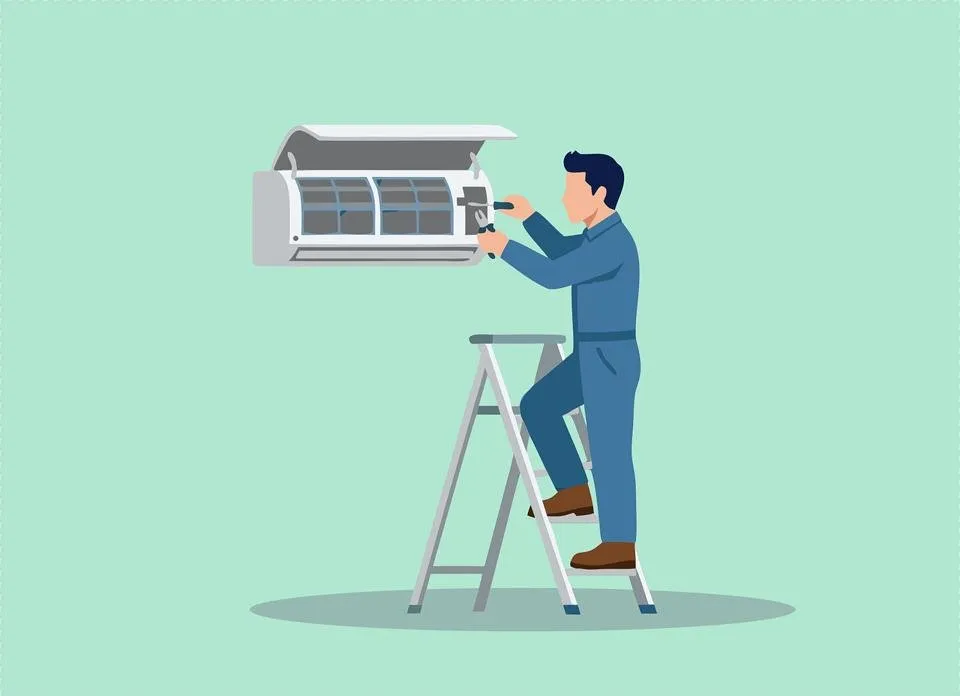
A cold room can still feel clammy, and that’s the whole problem with how most people judge an air conditioner. The thermostat reads 72, the vents are blowing, the compressor is doing its job on paper, and yet the couch fabric feels tacky and the bathroom mirror stays foggy long after a shower.
That clammy feeling is moisture the system never pulled out of the air, not temperature. Cooling and dehumidifying are two different jobs, and a lot of homes and offices are set up so the equipment does the first one well and the second one badly.
Understanding why comes down to what’s happening at the coil, how the equipment was sized, and how long it actually runs. Once you see that, the fix stops looking like a thermostat problem.
Cool Air and Dry Air Are Not the Same Thing
An air conditioner does two jobs at once. It lowers the temperature (sensible cooling) and it pulls water out of the air (latent cooling). Both happen at the evaporator coil.
Warm, humid air from your rooms passes over a very cold surface, the temperature drops, and moisture condenses on the coil and drips into a pan that drains outside. That condensate line running out the side of the building is the visible sign the system is dehumidifying.
The catch is that moisture removal only happens while the coil is cold AND air is moving across it long enough for water to actually condense. Short runs cool the air a little but barely touch the humidity. You end up with a room that feels chilly and damp at the same time, which is the worst combination for comfort and for the building.
The comfort target most engineers work toward is roughly 30 to 60 percent relative humidity indoors, and EPA guidance recommends staying below 60 percent to keep mold and dust mites from taking hold. Sit above that for a few days and you’ll smell it before you measure it.
Turning the Thermostat Down Makes It Worse
The intuitive move when a room feels muggy is to drop the setpoint a few degrees. It rarely helps and often backfires.
The thermostat is a temperature control, and using it to chase humidity is where the whole cycle of frustration begins.
Oversized Equipment Is the Most Common Culprit
Bigger is not better in cooling. An oversized system reaches the setpoint so quickly that it short-cycles, and short cycles are exactly when latent removal falls off a cliff. A unit that’s too large cools the space too fast and shuts off before it can pull the moisture out. The building stays cold and wet.
This is why proper load calculations matter more than the tonnage on the nameplate. A contractor who sizes by square-foot rule-of-thumb, or who upsizes “to be safe,” tends to leave a humidity problem behind.
On the commercial side, it’s often the pumps, coils, and controls in the chilled-water loop that decide how steadily the system runs and how much latent capacity you actually get; the primer on chiller pumps is a good starting point if you’re trying to understand why a building with plenty of nominal cooling still feels damp.
Airflow, Dirty Coils, and the Boring Stuff That Matters
Assuming the equipment is sized reasonably, most nagging humidity problems come down to a handful of unglamorous issues.
- Dirty filters and coils. A coated coil can’t transfer heat efficiently, so it doesn’t get cold enough to condense water out of the airstream.
- Fan speed set too high. Blowers cranked up for maximum airflow move air across the coil too fast for moisture to condense, cutting latent capacity even when the system is running.
- Leaky ducts and envelope. Return leaks pull humid air from attics, crawlspaces, or outside straight into the system, and unsealed openings around doors and windows keep feeding the load faster than the AC can remove it.
- Clogged condensate drains. If water can’t leave the pan, it sits there and re-evaporates back into the supply air, undoing the dehumidification the coil just did.
None of this shows up on the thermostat. All of it shows up in how the room feels.
What Actually Fixes a Humid Building
Start with measurement. Put a cheap hygrometer in the worst room and one in a comfortable one. If the humid room stays noticeably above the comfortable one while the AC is running, you have a latent problem, not a temperature problem. Now you can act on evidence instead of guessing.
From there, the real fixes usually fall into a few categories: get the equipment sized and serviced correctly, seal the envelope so you stop importing humid outdoor air, and add dedicated dehumidification when the cooling load is too small to pull enough moisture on its own. Tight, well-insulated buildings often need a whole-house or standalone dehumidifier precisely because they don’t need much sensible cooling, so the AC barely runs. Blame the latent load, not the AC; it has outgrown what a temperature-driven machine can handle.
The pattern is consistent whether it’s a bungalow or a mid-rise office. Cold air isn’t the goal. Dry, steady, comfortable air is. Get the moisture out and the same room at the same temperature will feel noticeably better, and the equipment will run less doing it.

Most people assume careful thinkers try to get every decision exactly right. The opposite is closer to the truth. Skilled decision-makers spend most of their energy figuring out how precise a given choice needs to be, and then they stop working the moment they hit that bar.
“Good enough” is a discipline, and like any discipline it takes practice.
Chasing perfection is expensive at work and exhausting at home. Getting better at everyday decisions starts with a simple sequence: know what the situation demands before you pick a tool, use a tool that matches the demand while you decide, and check your work against the standard you set.
Walk through those three stages and you’ll notice how often you were over-measuring your life.
Set the Tolerance Before You Start
The first stage of any decision is deciding how much precision it deserves. Machinists do this before they touch a part. They read the print and figure out the tolerance, because a feature called out at plus-or-minus a thousandth of an inch demands a completely different approach than one called out at plus-or-minus a tenth of an inch. Everyday decisions have tolerances too. You just have to name them.
Picking a restaurant for a Tuesday dinner has loose tolerances. Picking a surgeon has tight ones. The mistake is applying the same effort to both. Psychologists have described this contrast for decades: the maximizer who searches every option against the satisficer who searches until an option clears a threshold they set in advance.
Setting the threshold is the whole skill. Ask two questions before you start. What does a successful outcome actually look like here, and what’s the cost of overshooting it?
If the cost of overshooting is real (hours you don’t have, money you’d rather spend elsewhere, the goodwill of the people waiting on you) you already know the tolerance is loose. Write it down if you have to. A stated bar is easier to hit than an unspoken one.
Match the Tool to the Job While You Decide
Once the tolerance is set, use a method that fits it. Reach for the highest-precision approach on every question and you’ll grind to a halt. Reach for the lowest and you’ll miss on the questions that matter. Precision instruments are a useful analogy. Calipers and micrometers measure the same thing (distance) but they answer different questions, and a good machinist knows which measuring tool belongs on which feature.
The same logic applies to how you gather information. A quick scan is your caliper; a slow, deliberate review is your micrometer. Use the wrong one and you either miss the answer or spend an afternoon on a question that deserved five minutes.
- Low-stakes, reversible. Which brand of paper towels, which meeting slot on Thursday, which side dish for dinner. Pick the first workable option and move on.
- Medium-stakes, semi-reversible. A new hire for a short project, the vendor for a one-year contract, the paint color in a room you can repaint. Give it a defined block of time, evaluate three or four options against your criteria, decide.
- High-stakes, hard to reverse. A senior hire, a home purchase, a medical decision. Slow down, gather primary information, and get a second opinion from someone with real expertise. This is your micrometer work.
Notice that the categories don’t line up with how interesting a decision feels. Boring decisions can be high-stakes, and exciting ones are often trivial. Sort by consequence, not by how much you enjoy thinking about it.
Stop When You Hit the Bar
The last stage is the one perfectionists skip. Once a decision clears the tolerance you set at the start, you’re done. Keep searching and the outcome doesn’t improve; your anxiety does.
Harvard Business Review has made this point about perfectionist managers, noting that people tend to perform better and feel better when they hit “good enough” consistently than when they chase perfect and burn out.
At home this looks like buying the couch that meets your criteria instead of scrolling for two more weekends. At work it looks like shipping the report your boss asked for instead of polishing slides she didn’t. Same discipline in both places: define the bar, hit it, walk away. Do that consistently and you free up the attention you need for the small number of decisions that genuinely deserve a micrometer.
Precision thinking is about being deliberate. Spend your careful attention where it earns its keep, and let the rest of your life run on a lighter touch.

Why “One Less Thing to Think About” Is an Underrated Luxury

Why Football Fans Never Forget an Underdog Win

The Hidden Admin Load Reshaping Healthcare Burnout in 2026

The Cost of Deferred Maintenance: How Small Building Problems Become Big Business Expenses

The Cleaning Decisions That Shape Focus, Mood, and Sick Days at Work

The Sticky House Problem: Why Your AC Cools the Air but Leaves the Room Feeling Damp

Why “Good Enough” Is a Skill: How Precision Thinking Improves Everyday Decisions

Substack on Windows: following writers, podcasts, and livestreams

When AI Answers the Sponsorship Question Before Fans Ever Click

From Prediction to Kick-Off: What Sports Fans Check Before a Big Match

10 Reasons LEGO is Worth Getting into as an Adult

Actionable SWOT: How to Turn Your Strategic Analysis into a Functional Work Plan

Four Ways to Reduce Risk in Your Technology Supply Chain

So You’ve Got Multiple Offers for Your Business. Now What?

What to Do When Everyday Movements Become Painful

What Is the Construction Process Behind Modern Wind Power Plants?

How to Recover Faster From Everyday Injuries

How to Identify and Eliminate Efficiency Gaps in Complex Business Operations

Top Ways to Ask for Help

What Makes an Online Casino Safe Before You Even Play

 Business12 months ago
Do You Really Need Those Extra Features? Here’s How to Decide for Your Business

 Health12 months ago
The Power of Prevention in Modern Medicine

 Entertainment10 months ago
Casino Bonuses in Latvia: Comparing Offers and Tips for Beginners

 Tech12 months ago
Your Guide to Protecting Your Digital Peace of Mind

 LifeStyle10 months ago
Why Support Systems Matter More Than We Admit During Hard Times

 LifeStyle8 months ago
Should You Buy or Build Your Next Home? Here’s How to Decide (Without Losing Sleep Over It)

 Work11 months ago
How to Create a Comfortable Environment for Your Team

 Health10 months ago
The Support Systems That Keep Independent Practices Competitive