
Business
How to Build Business Relationships That Actually Go Somewhere


Let’s be straight—business isn’t all about the best pitch or who has the catchiest logo. More often, it’s about who will pick up the phone when you call. Great business relationships are the legs your business stands on. They get you through tough times, help you snag new clients, and sometimes, they even land you those wild, out-of-nowhere opportunities.
But “networking” can feel a bit like a buzzword. Let’s talk about what it actually means to build relationships that help, not just handshake at trade shows.
Start Genuine, Stay Genuine
Look, folks know when you’re being fake. You don’t have to swap life stories on the first call, but honesty—and a little warmth—goes a long way. Maybe that sounds basic, but I can’t count how many times a simple, real compliment or even just remembering someone’s kid’s name pushed a connection from “strictly business” to “someone who actually cares.”
I once had an industrial raw materials broker follow up on a project with a quick message about my alma mater’s basketball game. It was thoughtful, it was personal, and you better believe I called her first on the next project that popped up.
Communication Is Kind of Everything
Don’t be the person who only reaches out when you need something. Check in from time to time, just to see how things are going. If you come across a cool article or a tip that could help them, share it. And when you do hit a snag—because, let’s face it, business surprises happen—be upfront right away. People respect honesty way more than spin.
And news travels fast. If your name is out there as someone who listens, responds, and doesn’t play games, word gets around. It’s a small world, even in big industries.
Give a Little Before You Ask a Lot
This one’s super important: be willing to help, even if there’s nothing in it for you at the moment. Give referrals, pass along leads, or even just offer a resource. Not every gesture needs a boomerang effect, but you’d be surprised how much goodwill you build by being the helpful one.
Make Room for a Human Moment
Next time you’re at a meeting or even just shooting off an email, start with something real. Maybe you both hate early mornings or can’t stop talking about your local food scene. Small stuff like that kicks off actual conversations, not just another snooze-worthy conference call.
A quick story: a coffee spill during a Zoom meeting once turned into a running joke with a client. It was silly, but it broke the ice for good—and honestly, it made doing business together feel more like teamwork and less like just ticking boxes.
Don’t Be Afraid to Stay in Touch
Relationships need a little maintenance, but it doesn’t mean you need to send birthday cards or tag everyone on LinkedIn every week. Just keep the conversation open. Drop a line when you hear good news in their industry, or just to check in after a big project wraps.
Building strong connections is less about selling and more about seeing your business friends as, well, actual friends. Stand-up people get remembered. And that’s how your business finds its way into rooms and deals you never expected.
So, go ahead—be curious, ask questions, be real, and look for little ways to keep things warm. You never know which chat or favor ends up changing your business for the better.

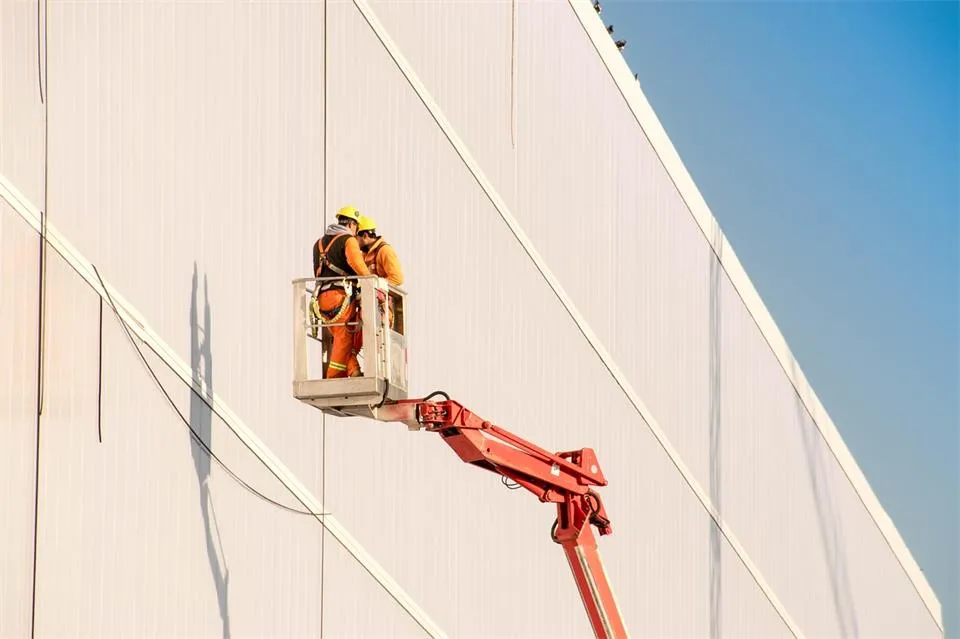
A framing sub wraps up a mixed-use building in year one, cashes the final check, and moves on to the next job. Eight years later, a tenant trips on a slab that cracked where the sub’s crew tied two pours together, breaks a hip, and sues the owner and the general.
The general tenders the claim back to the sub as an additional insured. The sub’s broker digs out the old certificate, sees the only endorsement on file was a CG 20 10, and figures out the policy that was supposed to protect them stopped responding the day the work ended.
Most completed-operations fights start right there, in the space between what a contractor thinks they bought and what the policy actually does when the phone rings. By then the project is closed, the paperwork is cold, and the people who negotiated the contract have moved on.
Stage One: The Contract Promises More Than the Endorsement Delivers
Most construction contracts require the contractor to name the owner, developer, and upstream contractor as additional insureds. The language usually reads something like “for ongoing and completed operations.” Fine on paper, but here’s the catch. The standard ongoing-operations endorsement, CG 20 10, was narrowed after 1985 so it stops responding once the work is finished. If that’s the only endorsement attached to the policy, the completed-operations half of the contract promise has nothing behind it.
Covering both halves generally takes two separate endorsements, as the Amwins client advisory on additional insured forms lays out: a CG 20 10 for the construction phase and a CG 20 37 for the years after the ribbon is cut. Plenty of contracts assume both are in place. Plenty of policies carry only one. A thoughtful business insurance program builds this handoff in, pairing the right additional insured forms with completed-operations limits that will still be meaningful a decade out.
Stage Two: The Latent Defect Shows Up
Water intrusion. Foundation movement. Failed waterproofing, EIFS problems, slab cracks.
Construction defects can also stem from decisions made long before a project is finished. As Emoovio explains in its article on construction preparation mistakes, rushed preparation can lead to premature failures that only become apparent months or years later.
These rarely surface in year one. Claims typically aren’t reported for a number of years, often up to ten, after a home is completed. Commercial projects follow a similar curve. By the time the damage is visible, the original crew is on different jobs and the insurance file is buried in deep storage.
State statutes of repose cap how far back a plaintiff can reach, but the ceilings are generous and they vary widely by jurisdiction. The practical window a contractor should plan to defend against runs well past a decade in many places.
Stage Three: The Tender Lands on the Wrong Policy Year
When the suit arrives, the general or the owner tenders it to every sub whose scope touched the alleged defect. Whether that tender gets accepted depends on four things, and none of them are what the current broker is quoting:
- The endorsement in force then. The policy that responds is the one on the risk when the property damage happened, not the policy in force today. A CG 20 10 on that old policy will usually fail to pick up a completed-operations claim.
- The schedule of insureds. Older endorsements often required the additional insured to be named specifically. If the upstream party isn’t on the schedule, or isn’t captured by a blanket clause tied to a written contract, the tender gets denied.
- The completed-operations limit. Products-completed operations usually has its own aggregate. If prior claims already chewed through it, there may be little or nothing left for this one.
- The surviving paperwork. No contract on file, no certificate, no endorsement copy, no coverage argument. Document retention for a contractor is a coverage issue, not a records issue.
Stage Four: Close the Loop Before the Next Project Starts
The fix is boring, and it works. Read the insurance exhibit in every contract before signing and match the endorsements on the policy to what the contract actually requires. If the contract calls for completed-operations additional insured status, confirm a CG 20 37 (or equivalent) is attached, not a CG 20 10 by itself.
Ask the carrier for a specimen copy of the endorsement, not a certificate. A certificate is a summary, not coverage. A few habits save real money later:
- Keep a project-by-project file. Store the signed contract, the certificate, and the actual endorsement forms together, by project, for at least the length of the longest statute of repose you work under.
- Watch the completed-operations limit. Buy it high enough that one bad project doesn’t exhaust it for everything else, and track erosion as claims come in.
- Keep tail coverage alive. If you change carriers, retire, or sell the business, confirm how completed-operations claims from prior years will be defended. Leave that question open and personal assets start getting discussed.
- Push back on blanket language that doesn’t match. If a contract demands coverage your policy doesn’t grant, flag it before signing, not after a tender.
Contractors who get surprised by a tender ten years out usually did the work well. What tripped them was an endorsement that expired the moment the job did.
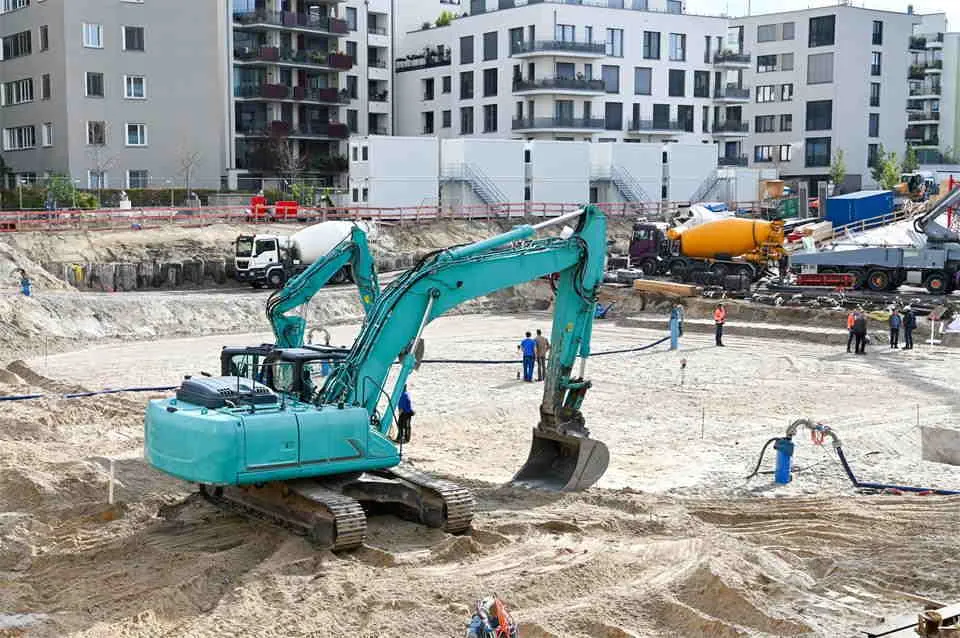
Disagreements over substantial completion can quickly turn into construction payment disputes when owners and contractors have different expectations about what it means for a project to be finished. A contractor may consider the work substantially complete once the building can be used for its intended purpose, while an owner may argue that outstanding repairs, unfinished installations, or other punch list items justify withholding payment.
These disputes often center on the punch list, which documents the remaining work needed before a project is considered fully complete. What one party views as minor cosmetic fixes, the other may see as significant deficiencies that prevent final acceptance.
Understanding how substantial completion is defined, documented, and addressed in the construction contract can help both sides protect their interests and avoid costly delays.
The Contractor’s View Versus the Owner’s View of the Same List
For the contractor, substantial completion is a status. The building can be used for its intended purpose, the punch list is the short remainder, and payment should flow. For the owner, substantial completion is a concession, and signing it off means handing over the one piece of real pressure still available in the project: the money sitting in retainage.
When a dispute is heading toward counsel, an experienced construction attorney will read the contract’s completion clause first, because the drafting choice usually dictates the shape of the negotiation that follows.
Both sides are reading the same list of items. They are not reading it the same way. A missing closet shelf and a dead rooftop exhaust fan may sit on the same page of the same punch list, but one is a finish item and the other may be the reason the certificate of occupancy is being held. Lumping them together is how disputes start. Separating them is how they get resolved.
Occupancy Is Not the Same Thing as Acceptance
Owners move in before they sign. That’s the awkward middle ground where most of these fights live. The owner is operating in the space, storing inventory, running tenants, taking reservations, while refusing to issue the certificate that would start the warranty clock and release retainage.
Contractors argue, with some force, that beneficial use is the whole point of the doctrine. If the owner is using the building for its intended purpose, the remaining items belong on a punch list rather than in a payment freeze.
Owners counter that use under protest isn’t acceptance, especially when they moved in because a tenant was waiting or a season was closing. The contract language usually decides which argument wins, and most contracts are vaguer on this point than either party remembers.
Define the Triggering Event in the Contract, Not After the Fight Starts
The cleanest projects name the exact event that establishes substantial completion before a shovel hits the ground. The messiest ones leave it to be argued later. There are only a handful of candidates worth naming:
- Certificate of occupancy. Issuance by the governing building department is objective, dated, and hard to argue with. It can also lag the actual readiness of the building by weeks.
- Architect’s certification. The design professional signs that the work is sufficiently complete for its intended use. Independent, but only as fast as the architect’s site visit calendar.
- Owner’s beneficial occupancy. The date the owner begins using the space. Fits reality, but invites fights over whether partial use counts.
- A defined completion percentage. A fixed threshold tied to the schedule of values. Clean on paper, awkward when the final remaining work is HVAC commissioning.
A good construction contract picks one and sticks with it.
The Punch List as Scorecard Versus the Punch List as Hostage
Used well, the punch list is a scorecard. The architect walks the project, the contractor prepares a list of items to be completed or corrected, and the parties sign a certificate that records the date, the open items, and a deadline. The AIA G704 exists precisely to make that process orderly: the contractor drafts the list, the architect verifies and amends it, and owner, architect, and contractor all sign.
Used badly, the same list becomes a hostage. Items get added weeks after the walkthrough. Scope creep gets relabeled as punch work. A fresh list arrives the day retainage was supposed to be released.
Both patterns are common enough that neither side gets the benefit of the doubt without documentation.
What Each Side Should Actually Do Before It Becomes Litigation
The practical moves split cleanly by role. Neither side helps itself by waiting for the other to blink.
- For the contractor. Request the walkthrough in writing, with a date, and photograph completed work the day it’s finished. Prepare the punch list yourself before the owner does. If the owner occupies, send a dated notice that use has begun. Silence here is expensive later.
- For the owner. Walk the project with the architect, not alone, and separate code and functional items from cosmetic ones on the list itself. If you occupy before signing, say in writing why, and what remains open. Don’t add items a month later without flagging them as new.
- For both. Sign something. A certificate with an attached, dated punch list and a deadline protects everyone, even when the parties disagree about particular items. An unsigned project is a project where every clock stays frozen and every argument stays live.
Substantial completion disputes often come down to how clearly the contract defines completion and how thoroughly both parties document the remaining work. By establishing clear expectations, maintaining accurate punch lists, and addressing disagreements early, owners and contractors can reduce payment delays and avoid costly construction litigation.
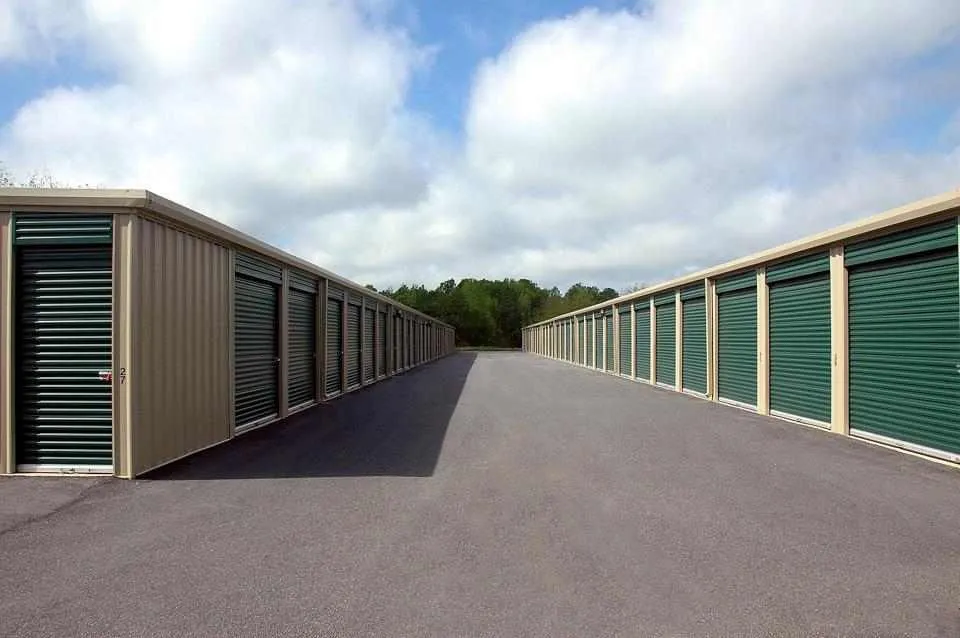
A warehouse door that doesn’t quite seal. An HVAC unit that runs a little longer than it used to. A plumbing leak small enough to stay hidden behind a wall.
None looks particularly expensive on its own. That’s precisely why these problems are easy to ignore.
For most businesses, building maintenance isn’t a major concern until something actually breaks. But the cost often starts accumulating much earlier. An inefficient system raises utility bills. A worn component puts additional strain on the equipment around it. A minor repair gets postponed until it becomes an emergency call — potentially while employees, customers, or shipments are waiting on the other side.
Owners tend to know their obvious cost centers: payroll, rent, inventory, insurance. The harder expenses to spot are buried in the systems that keep the building operating every day.
Here’s how a minor maintenance problem can move from an easy fix to a much larger operating expense — and where businesses can interrupt that progression.
Stage One: The Warning Signs Get Ignored
Every expensive failure starts as a cheap one. A rooftop unit short-cycles for a week. The dock leveler starts landing harder than it used to, and by Thursday a commercial door hesitates on the way up before catching itself.
On a busy Monday, none of that rises to the level of a work order. It gets a shrug and a note to check on it later. That delay is where the money starts leaking. A worn spring or a slipping belt draws more current, wears adjacent parts faster, and turns a modest fix into a full assembly replacement. Building systems rarely fail in isolation. One tired component pulls two or three others down with it, and by the time someone calls, the invoice reflects all of them.
The fix at this stage is boring and effective: write the small thing down the day you notice it, and give someone the authority to schedule the visit without a committee meeting.
Stage Two: Energy Bills Start Doing the Talking
Before a system fails outright, it usually gets loud on the utility bill. Compressors run longer. Fans stay on when the building is empty, and heat leaks through a warehouse door that no longer seals against its jamb. None of this shows up as a line item called “waste.” It shows up as a slow, unremarkable climb in monthly operating cost.
The scale is worth pausing on. ENERGY STAR estimates that an average commercial building can cut energy bills by up to 30 percent through no-cost operational changes, smarter maintenance, and targeted investment. That’s not a rebate program or a tax credit. It’s money already being spent on equipment running harder than it needs to.
A few practical places to look first:
- Schedules and setpoints. HVAC and lighting programmed years ago rarely match how the building is used now. Review them against real occupancy.
- Door and dock seals. A conditioned space bleeding air through a torn seal or a bent panel will chase the thermostat all day.
- Water use. A silent leak behind a wall or under a slab can double a bill before anyone notices the meter.
Stage Three: Something Breaks During Business Hours
This is the stage owners remember, because it’s the one that stops work. A rollup door jams half-open with trucks waiting. A chiller trips on the hottest afternoon of the summer. The freight elevator quits between floors with a pallet inside. Every hour after that is billed to the business one way or another.
Loading dock outages are a good example of how quickly the math turns. Industry estimates put the cost of an offline dock in the low thousands of dollars per hour once you account for idled labor, delayed shipments, and driver detention. Extend that across a shift and a single failed leveler or door outruns a year of preventive service.
Overhead doors deserve their own mention here because they touch almost every commercial property: warehouses, service bays, retail backrooms, fire stations. When one goes down, it takes revenue and access with it. Keeping a responsive commercial garage door repair partner on file, with your door specs and opener models already logged, shortens the outage from a day of phone calls to a same-day service call.
Stage Four: Getting Ahead of the Next Failure
The way out isn’t complicated, and it doesn’t require a facilities department. Run the building the way a good operator runs a delivery van: known service intervals, a short list of trusted vendors, and a written record so the next problem starts with context instead of guesswork.
- Inventory the systems that stop work when they fail. HVAC, plumbing, overhead doors, dock equipment, refrigeration, fire and life safety. Anything on that list gets a maintenance cadence.
- Put the cadence on the calendar. Quarterly for high-cycle equipment, annually for the rest. Skip the ones that don’t matter; don’t skip the ones that do.
- Keep one number per system. A vendor who already knows your building will usually beat a stranger dispatched on short notice during a busy afternoon.
- Log every visit. Date, part, technician, what they found. Six months later, that log is the difference between a targeted repair and a diagnostic bill.
No routine catches every failure. It moves most of them out of the middle of the workday and off the top of the operating statement, which is usually where the real overhead was hiding.

Why Additional Insured Endorsements Matter Long After Construction Ends

How Much Time Do Household Chores Take, and How Can You Get It Back?

How Punch Lists and Substantial Completion Affect Construction Payment Disputes

Did You Know Your AC Is Working Harder in October Than August?

Why “One Less Thing to Think About” Is an Underrated Luxury

Why Football Fans Never Forget an Underdog Win

The Hidden Admin Load Reshaping Healthcare Burnout in 2026

The Cost of Deferred Maintenance: How Small Building Problems Become Big Business Expenses

The Cleaning Decisions That Shape Focus, Mood, and Sick Days at Work

The Sticky House Problem: Why Your AC Cools the Air but Leaves the Room Feeling Damp

So You’ve Got Multiple Offers for Your Business. Now What?

What to Do When Everyday Movements Become Painful

Four Ways to Reduce Risk in Your Technology Supply Chain

What Is the Construction Process Behind Modern Wind Power Plants?

How to Recover Faster From Everyday Injuries

Top Ways to Ask for Help

How to Identify and Eliminate Efficiency Gaps in Complex Business Operations

What Makes an Online Casino Safe Before You Even Play

How Do Recycling Facilities Use Shredders for Plastic Waste Processing?

How to Build a Solid Working Relationship with Your Criminal Defense Attorney

 Health12 months ago
The Power of Prevention in Modern Medicine

 Entertainment10 months ago
Casino Bonuses in Latvia: Comparing Offers and Tips for Beginners

 LifeStyle10 months ago
Why Support Systems Matter More Than We Admit During Hard Times

 LifeStyle9 months ago
Should You Buy or Build Your Next Home? Here’s How to Decide (Without Losing Sleep Over It)

 Health10 months ago
The Support Systems That Keep Independent Practices Competitive

 Work11 months ago
How to Create a Comfortable Environment for Your Team

 Finance11 months ago
How to Actually Protect Your Money with Smart Financial Moves

 Gifts12 months ago
Rose Bouquet Flower: timeless elegance for every occasion