
Pets
The Warning Signs Your Cat Might Be Seriously Unwell

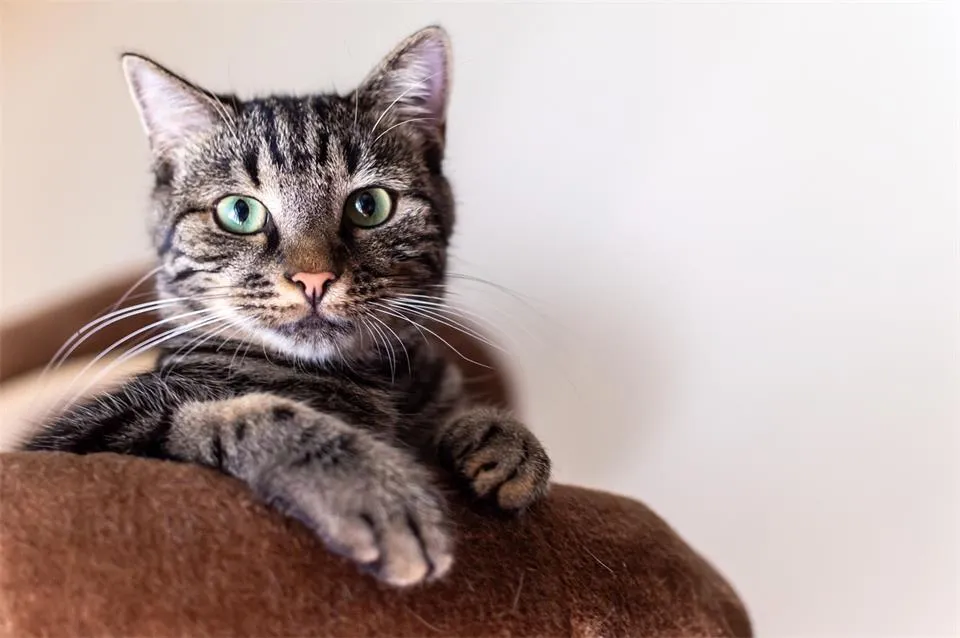
Cats have a remarkable ability to hide when something is wrong. Your usually affectionate companion might suddenly spend more time under the bed, stop greeting you at the door or show little interest in their favourite food. These changes can be easy to overlook, especially when your cat doesn’t appear to be in obvious pain.
Unlike dogs, cats often display subtle signs of illness. Changes in appetite, grooming habits, energy levels and litter tray behaviour can indicate an underlying health problem. Recognising these differences early can make a significant difference to your cat’s wellbeing.
Knowing when to seek veterinary attention is particularly important because some conditions can deteriorate quickly. If your cat develops concerning symptoms, contacting a veterinary clinic or searching for an emergency vet Rosebery can help you locate appropriate care. For potentially life-threatening symptoms, contact the nearest available emergency veterinary hospital immediately.
Your Cat Suddenly Stops Eating
Cats can occasionally become fussy about food, but a sudden loss of appetite shouldn’t be dismissed as ordinary behaviour.
Refusing food may indicate dental pain, digestive problems, infection or other medical conditions.
Cats that stop eating are also at risk of developing hepatic lipidosis, a serious liver condition that can occur when they don’t consume enough food, particularly if they’re overweight.
If your cat hasn’t eaten for approximately 24 hours, contact your veterinarian promptly. Kittens and cats with existing medical conditions may require attention sooner.
Don’t force-feed your cat without veterinary guidance, as doing so can create additional risks.
Changes in Litter Tray Habits
Your cat’s litter tray can provide valuable clues about their health.
Frequent visits, straining or unusual vocalisation while attempting to urinate may indicate urinary tract problems.
A cat that repeatedly attempts to urinate but produces little or no urine needs immediate veterinary attention.
Urinary blockages are particularly dangerous in male cats and can become life-threatening quickly.
Other warning signs include blood in the urine, urinating outside the litter tray or noticeable changes in urine output.
Avoid assuming these behaviours are simply signs of stress or poor litter tray habits.
Unusual Breathing or Extreme Tiredness
Healthy cats generally breathe quietly and comfortably while resting.
Rapid breathing, open-mouth breathing or obvious effort when inhaling can indicate a serious problem.
Unlike dogs, cats don’t normally pant to cool themselves.
If your cat is struggling to breathe, seek emergency veterinary care immediately.
Extreme lethargy is another concerning sign, particularly when your cat becomes difficult to wake, cannot stand normally or appears unusually weak.
These symptoms shouldn’t be monitored at home in the hope that they’ll disappear.
Repeated Vomiting or Diarrhoea
An occasional hairball may not indicate a serious illness, but repeated vomiting deserves closer attention.
Persistent vomiting or diarrhoea can cause dehydration and may be associated with infections, intestinal problems, toxins or other conditions.
Watch for additional symptoms, including:
- Blood in vomit or faeces.
- Repeated vomiting over a short period.
- A swollen or painful abdomen.
- Refusal to eat or drink.
- Significant weakness or unusual behaviour.
If your cat shows these symptoms, contact a veterinarian promptly.
Avoid giving human medications, as many are toxic to cats.
Hiding and Changes in Behaviour
Some cats naturally enjoy quiet spaces, but sudden changes in behaviour can indicate discomfort.
A normally sociable cat that begins hiding constantly may be experiencing pain, fear or illness.
Similarly, unexplained aggression, unusual vocalisation or reluctance to be touched can suggest something isn’t right.
Pay attention to changes from your cat’s usual personality rather than comparing their behaviour with other animals.
If the changes persist or appear alongside physical symptoms, arrange a veterinary examination.
Poor Grooming and Changes in Appearance
Cats typically spend considerable time grooming themselves.
When a cat suddenly stops grooming, its coat may become greasy, tangled or unusually untidy.
Pain, reduced mobility, dental problems and illness can all interfere with normal grooming.
Excessive grooming can also indicate skin irritation, parasites or stress.
Other visible changes worth investigating include unexplained weight loss, swelling or noticeable changes in drinking habits.
Trust Your Instincts When Something Seems Wrong
You know your cat’s normal behaviour better than anyone.
If something seems unusual, even when the symptoms are difficult to describe, it’s worth contacting your veterinarian.
Keep a record of changes in appetite, drinking, toileting and activity levels. This information can help the veterinary team assess the situation.
For serious symptoms such as breathing difficulties, inability to urinate, collapse or suspected poisoning, don’t delay seeking emergency care.
Recognising changes early and acting appropriately gives your cat the best opportunity to receive timely treatment and return to their usual comfortable, curious self.


Getting a new pet is an exciting time. It’s one of those decisions that really enriches your life moving forward. However, bringing a new pet home isn’t something that should be done on a whim; it is a huge decision you should think carefully about before committing, regardless of whether you’re getting a cat, dog, guinea pig, or pet snake.
There are some important things to know before you start cohabiting with a new pet in your home.
The following are some things that can help you out when things get a little messy or complicated, and if you have the details before you need them, it’ll make life so much easier.
Have the Number of an Emergency Vet
Let’s be honest: emergencies don’t happen neatly in office hours — for people or for pets. And this means that if your vet doesn’t accept out-of-hours or emergency calls, you need the number of a good emergency vet you can rely on.
Some emergency vets work on a mobile basis and can come to you, like Veteris’ 24-7 vet services; others require you to go to a clinic to be treated. But regardless of how you need to get the care, knowing who to call in an emergency is important.
And this is important for all pets: rabbits can go into gut stasis, birds can decline rapidly with respiratory issues, reptiles can deteriorate fast with temperature problems, and small animals often hide illness until they get to the point of no return.
Save the number, know the route, and be ready in case you need them.
Understand the Value of Good Insurance
Good pet insurance is more than just another monthly or annual payment you need to make. Vet care in the US is expensive, and good insurance can be an absolute lifesaver when your pet becomes unwell.
It’s really important you get insurance as soon as you bring the dog home, even if you’re not getting them from a breeder.
And the thing is, it’s not about finding the cheapest one. It’s about finding one that covers exactly what you need it to. It’s being able to claim for illnesses and injuries, not just emergencies.
It’s being covered for common breed ailments — especially if you’re adopting a pet with known health issues like French Bulldogs or Labradors, for example. And if you’re bringing home exotic pets, these often require specialist vet care, meaning it can be even more expensive, making good insurance more valuable.
Take your time reviewing the different policies, and ensure you know exactly what you’re covered for.
How to Meet Breed and Species Needs
This is really important before you bring any type of pet home. Not all pets need the same things, and you need to be able to meet the needs of whatever pet you bring home. Some are more demanding than others, i.e., training a puppy, but still, if you don’t know what they need or how to care for your pet, you’ll be in trouble fast.
Cats need vertical spaces, scratching options, and mental enrichment, while dogs need more stimulation based on their breed and genetic tendencies — for example, dogs from working breeds need more mental and physical stimulation, or they become destructive.
And rabbits need space to run safely and things to chew, as well as social interaction. There’s a lot to think about, and knowledge is power when it comes to pet ownership.

How to Tell Whether a Property Is Actually Worth Its Asking Price

How to Encourage Your Child to Make Friends Without Forcing Social Situations

The Warning Signs Your Cat Might Be Seriously Unwell

Why Modern Cars Sometimes Need More Than Basic Repairs After an Accident

Why Taking Time for Yourself Can Feel Difficult and How to Make It Easier

Why Additional Insured Endorsements Matter Long After Construction Ends

How Much Time Do Household Chores Take, and How Can You Get It Back?

How Punch Lists and Substantial Completion Affect Construction Payment Disputes

Did You Know Your AC Is Working Harder in October Than August?

Why “One Less Thing to Think About” Is an Underrated Luxury

Top Ways to Ask for Help

How Can Split-Dollar Plans Help Businesses Retain Key Employees?

The Environmental Case for Upgrading Your Home’s Water Infrastructure

When Do You Need a Business Debt Settlement Partner?

Tips for Working in a Small Local Government—And Actually Making It Work

How to Plan Your Best Trip to Russia: 5 Easy Steps

Why “Gymtimidation” Is Sabotaging Your Wellness Goals

World Cup Match Days Turn Into Daily Fan Rituals

The Floor Under the Cloud: Why Data Centers Still Rely on What You Can’t See

Career Pivots That Pay: Blue-Collar Skills Worth Learning in 2026 When Office Jobs Feel Shaky

 Entertainment11 months ago
Casino Bonuses in Latvia: Comparing Offers and Tips for Beginners

 LifeStyle11 months ago
Why Support Systems Matter More Than We Admit During Hard Times

 LifeStyle10 months ago
Should You Buy or Build Your Next Home? Here’s How to Decide (Without Losing Sleep Over It)

 Work12 months ago
How to Create a Comfortable Environment for Your Team

 Health11 months ago
The Support Systems That Keep Independent Practices Competitive

 Finance12 months ago
How to Actually Protect Your Money with Smart Financial Moves

 Business11 months ago
How to Effectively Run a Completely Online Business

 Work11 months ago
Failed An Employment Background Check? Here’s How To Move Forward