
Fitness
Why “Gymtimidation” Is Sabotaging Your Wellness Goals

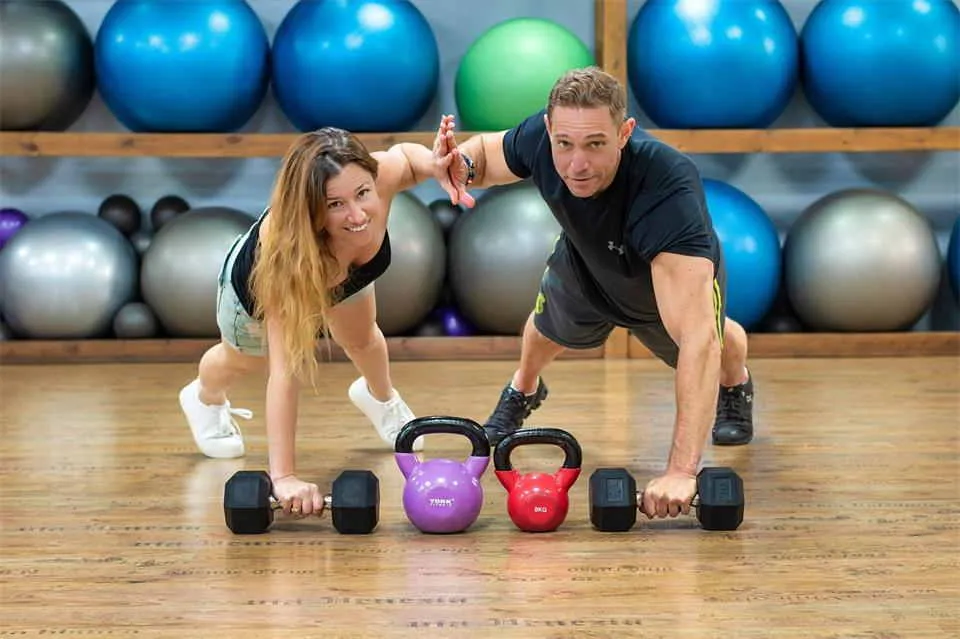
For most people, walking into a gym is meant to be the first of many steps on their road to wellness. But for countless others, stepping foot into a gym triggers a burst of stress and anxiety instead of a rush of energy.
This collective fear has been dubbed “gymtimidation,” and it’s the nagging feeling that every person around you in the free-weights area is mentally critiquing everything about you — from how you’re lifting to what you are wearing.
Although gymtimidation seems like a minor obstacle, it stops thousands of wellness journeys dead in their tracks, usually long before those journeys have had time to establish a routine.
The root of gymtimidation isn’t a lack of willpower; it is an environmental problem.

The Illusion of the Spotlight
Fitness anxiety mostly arises from what we call the spotlight effect. A psychological phenomenon in which you overestimate how much others notice your actions. This can be intensified in a gym environment where influencers film video content and where gym regulars treat the turf like a runway.
If you suffer from the spotlight effect, it is easy to convince yourself that your moderate pace on the treadmill is attracting side-eye.
The reality is liberating: most people are entirely consumed by their own reflection, their playlist, or their next set. Recognizing this shift in perspective is the first step toward reclaiming your workout. You are there to build a relationship with your body, independent of the room’s energy.
Strategize Your Environment
Making a practical adjustment to your environment — by shifting where and when you train — is likely the best way to address this issue. If peak hours create stress for you, then adjusting the time you go to the gym is going to be the most effective tool.
Be an early bird and go when the gym doors open, over lunch, or late evenings before the gym closes. The energy in the gym changes to a more relaxed pace, giving you the space and quiet you need to focus on your routine rather than focusing on the people around you.
Equally important is selecting a facility designed for real people. Affordable, judgment-free zones like Fitness 19 prioritize welcoming environments with state-of-the-art equipment, making them ideal for beginners re-establishing their routine.
Choosing a space that values accessibility over vanity allows you to learn the ropes at your own pace, surrounded by a community focused on health rather than performance art.
Master One Piece of Turf
When your confidence is down in the dumps, a sprawling gym floor feels overwhelming. There are a couple of ways to take back your sense of control, and one of them is to limit the area on which you will operate.
Choose something you will focus on. The bike section, free weight section, or maybe start with the stretching and recovery zone, where you can do a couple of movements to start your journey.
If you are able to get a single movement pattern under the knee, you will have built momentum and courage to move on to something a bit more complicated. As your comfort zone expands, you can naturally explore more of the floor.
Own Your Progression
True fitness is an internal metrics game. Confidence builds the moment you shift your focus toward personal benchmarks, tracking consistency, and strength gains. By choosing the right environment and focusing on your own lane, the surrounding noise simply fades away.


Are your workouts as effective as you want them to be? Working harder isn’t always the answer – it’s about working smarter. Bringing some science-backed approaches to your workout can help maximize your performance, boost recovery and help you see progress more quickly.
From your nutrition to the way you plan your workouts, understanding a little more about science behind exercise can give you the edge you need.
Get ready to dive into an exciting new approach to your workouts.

Start with the right nutrition
Your diet has a big role to play in your workout performance. Macronutrients – protein, carbs and fat, are essential to give you energy and help you recover post workout. A balance of the three is important, and understanding what to eat before exercise can have a bigger impact on your results than you realize.
Consider supplements to support you where needed
Many people advocate supplements to help boost their workout performance, but it’s important to do your research before you use the – don’t just take someone’s word for it.
There is some exciting research taking place around high-purity LGD4 powder for muscle wastage, as well as the impact of creatine and caffeine, but be sure you understand what you’re putting into your body before you take it. If you’re unsure, consult a medical expert for advice.
Learn more about how recovery works
When you’re in ‘the zone’ it can be difficult to take a break from exercise. But rest is important to give your muscles time to repair, and sleep will help keep your body and mind strong. Rest doesn’t have to mean you’re completely idle, instead, focus on active recovery through gentle exercise like walking, yoga and swimming.
Optimize your training
To get the best results from your training, you need a plan. Researching different types of exercise can help you find activities that align with your goals and interests, helping you create a routine that works for you. From high-intensity training to progressive overload, you can find an evidence-based plan that works for you to help you see the best results.
Create a routine that works for you and your body
Enhancing your workout performance is also dependent on your and your body. It’s important to factor in your age, your current fitness levels and any injuries or limitations you might have.
Building strength as you age can look different to training in your 20s, so it’s important to adapt routines and training plans that work for you as an individual. This is where working with a personal trainer can come in handy.
Use data to support your training
Want to get analytical about your training? It’s time to put data to some good use. Wearing a fitness tracker and monitoring your workout progress can help you see the improvement in your performance over time. Analyzing your data can help you work out where adjustments are needed, and see how different nutrition and training methods can impact your workouts.
As you can see, science shows there is much more to fitness than putting time in at the gym. Fuelling your body correctly, taking time to recover and using data can all help you enhance your training, giving you better results than ever before. Using science-backed approaches, you could find yourself on your way to your healthiest, strongest self.

Why “One Less Thing to Think About” Is an Underrated Luxury

Why Football Fans Never Forget an Underdog Win

The Hidden Admin Load Reshaping Healthcare Burnout in 2026

The Cost of Deferred Maintenance: How Small Building Problems Become Big Business Expenses

The Cleaning Decisions That Shape Focus, Mood, and Sick Days at Work

The Sticky House Problem: Why Your AC Cools the Air but Leaves the Room Feeling Damp

Why “Good Enough” Is a Skill: How Precision Thinking Improves Everyday Decisions

Substack on Windows: following writers, podcasts, and livestreams

When AI Answers the Sponsorship Question Before Fans Ever Click

From Prediction to Kick-Off: What Sports Fans Check Before a Big Match

10 Reasons LEGO is Worth Getting into as an Adult

Actionable SWOT: How to Turn Your Strategic Analysis into a Functional Work Plan

Four Ways to Reduce Risk in Your Technology Supply Chain

So You’ve Got Multiple Offers for Your Business. Now What?

What to Do When Everyday Movements Become Painful

What Is the Construction Process Behind Modern Wind Power Plants?

How to Identify and Eliminate Efficiency Gaps in Complex Business Operations

How to Recover Faster From Everyday Injuries

Top Ways to Ask for Help

What Makes an Online Casino Safe Before You Even Play

 Business12 months ago
Do You Really Need Those Extra Features? Here’s How to Decide for Your Business

 Health12 months ago
The Power of Prevention in Modern Medicine

 Entertainment10 months ago
Casino Bonuses in Latvia: Comparing Offers and Tips for Beginners

 Tech12 months ago
Your Guide to Protecting Your Digital Peace of Mind

 LifeStyle10 months ago
Why Support Systems Matter More Than We Admit During Hard Times

 LifeStyle8 months ago
Should You Buy or Build Your Next Home? Here’s How to Decide (Without Losing Sleep Over It)
 Work11 months ago
How to Create a Comfortable Environment for Your Team

 Health10 months ago
The Support Systems That Keep Independent Practices Competitive