
LifeStyle
The Importance of Getting Your Electrics Checked by a Professional


Electricity is an essential part of modern life, powering everything from our homes to businesses and even the devices we use daily. However, with the widespread use of electrical systems, it’s easy to forget that they require regular maintenance and care.
Over time, wear and tear, poor installation, or even simple negligence can cause electrical issues that can pose big risks to your home and safety. That’s why it’s crucial to have your electrics checked by a professional.
Ensuring Safety
The most compelling reason to hire a professional to check your electrics is safety. Faulty electrical systems can be extremely dangerous. Electrical fires are one of the main causes of house fires globally, with overloaded circuits, faulty wiring, and outdated systems being common culprits.
Even seemingly small issues like frayed wires or faulty outlets can pose a significant fire risk. A licensed electrician will be able to pinpoint potential hazards before they become a danger.
Attempting DIY electrical repairs is not only risky but also illegal in many places. Non-professionals are more likely to miss underlying issues or cause further damage to the system.
A licensed electrician is trained to spot issues that may not be immediately obvious to an untrained eye. Regular checks by professionals can help detect problems early and ensure your electrical system is up to code, reducing the chances of accidents.
Preventing Expensive Repairs
Electrical issues, if left unchecked, can worsen over time, leading to costly repairs. A small problem like a tripped circuit breaker could be indicative of a bigger underlying issue, such as faulty wiring or an overloaded electrical panel.
If these problems are not addressed promptly, they can escalate and cause more significant damage, potentially requiring expensive replacements or repairs.
By having your electrics checked regularly by a professional, you can catch these issues before they get out of hand. Professional electricians are also able to fix problems more efficiently, often saving you time and money in the long run.
Moreover, they can offer advice on how to maintain your electrical system, helping you avoid unnecessary costs down the road.
Improving System Efficiency
Another important reason to have your electrics professionally inspected is to improve the efficiency of your electrical system.
Over time, electrical systems can become less efficient due to wear, outdated components, or improper installation. This inefficiency can manifest in several ways, such as higher electricity bills or devices that don’t work as effectively as they should.
A qualified electrician can look at your system and identify areas where improvements can be made. For example, they might recommend replacing old or inefficient appliances, upgrading your wiring, or adding additional circuits to prevent overloads.
An efficient electrical system not only reduces the risk of failures but also helps you save money on your energy bills.
Compliance with Legal Standards
Every country has electrical codes and standards that must be adhered to when installing or maintaining electrical systems. These codes are designed to ensure that all electrical work is carried out safely and to a good standard. Not complying with these regulations can result in fines, voided insurance, or worse—serious accidents.
Hiring a professional electrician ensures that all electrical work is completed in compliance with the local regulations. This is especially important when renovating your home or carrying out new electrical installations.
A professional can ensure that your wiring, outlets, and panels meet the required standards, providing you with peace of mind that your home is safe and up to code.
The Importance of Electrical Troubleshooting
When an electrical issue arises, it’s tempting to try and fix it yourself, but electrical troubleshooting is a delicate and specialized task. Electrical troubleshooting experts possess the necessary skills and experience to identify and resolve electrical issues quickly and safely.
Whether it’s a malfunctioning appliance, a tripped breaker, or flickering lights, electrical troubleshooting experts can diagnose the problem and offer the best solution.
These professionals are trained in advanced diagnostic techniques, using specialized tools and equipment to identify hidden problems within the electrical system.
Their knowledge of electrical circuits and systems allows them to troubleshoot problems more effectively than a DIY approach could. Moreover, they can ensure that any repairs or replacements are done according to safety standards.
Peace of Mind
Finally, getting your electrics checked by a professional provides peace of mind. Electricity is a vital yet potentially dangerous part of daily life. Knowing that your electrical system has been thoroughly inspected and maintained by a qualified expert can help you relax, knowing that you and your family are safe.
Whether you’re dealing with minor electrical issues or require a complete overhaul of your system, having the right professional on hand ensures that the job is done correctly. This not only protects your home and family but also gives you confidence that your electrical system will continue to serve you reliably for years to come.


Eleven hours a week. That’s what the average adult hands over to household chores once you add up the washing, folding, tidying, planning, and the dozens of small tasks nobody schedules but everyone does. Over a year, it works out to fourteen full workdays spent on upkeep you’ll never be paid for and rarely remember doing.
The frustrating part isn’t the hours. It’s that most of them are invisible, scattered across the week in five- and ten-minute increments, and almost none of them get tracked the way you track work.
If you’ve ever wondered why your weekends evaporate, this is the first place to look, and often the first place to start cutting, sometimes with something as simple as a pickup-and-delivery service that takes the single biggest recurring task off your plate.
The Week Starts With Decisions You Don’t Notice Making
Before a single chore gets done, someone has to decide it needs doing. That person checks the hamper, notices the fridge is thin on produce, remembers the dog is due for flea medication, and files it all away for later. None of that counts as a chore on any time-use survey. It still costs.
Researchers call this the mental load, and it’s the part of household work that resists
outsourcing most stubbornly. It’s the cognitive and emotional work of planning, organizing, and running a household, and it tends to feel heavier and more unequally shared than visible tasks like cooking and laundry. You can hire someone to fold the shirts. You can’t hire someone to notice you’re out of them.
That changes the question. The goal isn’t to delete every chore. It’s to pull the heaviest, most repetitive, most time-eating ones off the list so the planning brain has fewer things to track.
Then the Visible Work Piles Up
Once the decisions are made, the hours start stacking. Cooking, cleaning, laundry, errands, pet care, kid logistics, wiping down the same counter for the third time that day. The list is long, and the time it takes is bigger than people assume. Ask someone how long they spend on chores in a week and they’ll usually guess low.
The time-use data says otherwise. Federal survey analysis puts men at around 100 minutes of household activities per day and women meaningfully higher, enough that the weekly total for most adults lands in that 11-hour neighborhood. Laundry alone eats a surprising share of it once you count sorting, washing, drying, folding, hanging, and putting things back where they belong.
What makes this hard to see is how it’s distributed. A load of laundry isn’t a one-hour task. It’s a ten-minute task you touch five separate times across two days, with the dryer buzzer dictating when you can sit down. That’s the chore most households can hand off first, because a good service removes it from the week entirely rather than making you faster at it.
Pick the Chores That Actually Buy Your Time Back
Not every chore is worth outsourcing. The ones that are worth it share three traits: they’re frequent, they’re low-skill (so you’re not paying a premium for expertise), and they fragment your attention. Here’s where to look first.
- Laundry. High frequency, long elapsed time, zero creative upside. For most households, this is the single biggest hour-saver available.
- Deep cleaning. Weekly or biweekly cleaning handles the work most people put off and then dread. Hiring it out tends to raise the baseline cleanliness of the house, not maintain it.
- Grocery runs. Delivery and curbside pickup have gotten competent enough that the time cost of a store trip is rarely worth it unless you genuinely enjoy shopping. The planning still falls on you. The drive, the aisles, and the checkout do not.
- Meal prep. Fully outsourcing dinners gets expensive fast, but partial outsourcing works well: pre-chopped produce, meal kits, a standing weekly roast chicken from the deli. All of it pulls decision fatigue out of the hungriest hour of the day.
- Lawn and basic home upkeep. Mowing, gutter clearing, filter changes. Predictable, physical, and easy to put on a recurring schedule so you never think about them again.
The Payoff Is Measurable, Not Theoretical
Buying time back isn’t an indulgence, and the research on it is unusually clean. Work from Harvard Business School found that people who spent money on time-saving services like housecleaning and meal delivery reported greater life satisfaction, and the boost held across income levels. Spending on experiences gets most of the attention. Spending on avoided chores beats it for day-to-day mood.
There’s a relationship angle too. Household work is a frequent source of conflict between people who live together, which means every hour of chore friction you remove is also an hour of negotiation you don’t have to run.
Start Small and Keep the Ones Worth Keeping
You don’t need to outsource everything, and most people shouldn’t. Some chores are genuinely enjoyable: gardening, cooking a specific meal, puttering with the kids outside. Those stay.
The move is to pick one high-frequency task and buy it back for a month. Track how the week feels. If the hour reappears somewhere meaningful, more sleep, more time with people, a project that’s been sitting, you’ve found something worth keeping on the budget. If it doesn’t, you’ve learned something cheap and you can redirect the money.
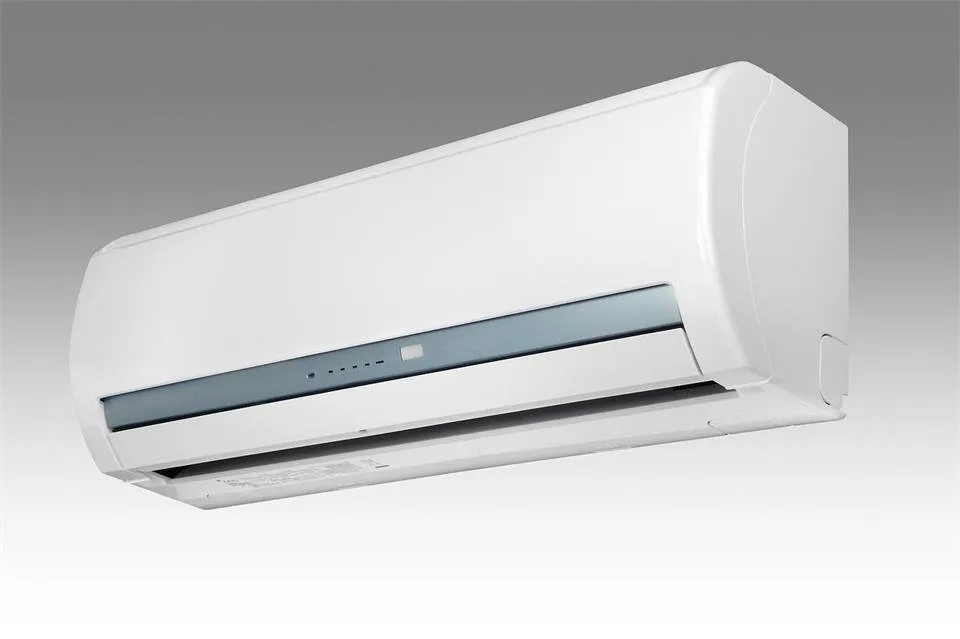
A 72-degree October afternoon can push an air conditioner harder than a 95-degree August one. If that sounds backwards, blame the way most of us were taught to think about cooling. We treat it as a temperature problem, when it’s also a moisture problem. Fall is when the moisture half shows up without the heat to hide behind.
So when you notice the system humming for 40 minutes straight on a mild day, the right question isn’t “what’s wrong with the AC?” It’s “what is the house asking it to do right now?” The honest answer tells you a lot about your home, and often about whether you need an AC repair team or just a sharper eye on the building itself.
Why Is the AC Running So Much When It’s Not Even Hot Out?
Cooling your home is two jobs stacked on top of each other. The system has to drop the air temperature (the sensible load), and it has to pull water vapor out of the air (the latent load). In August, both loads are huge, and the thermostat setpoint gets satisfied so quickly that moisture removal happens almost as a side effect of long, hot-day runtimes.
Fall flips that balance. Outdoor temperatures ease off, but the air outside (and the air leaking into your house) is still carrying a lot of water. DOE guidance on humidity control in cooling climates notes that there are stretches of the year when sensible load is low but latent load stays stubbornly high.
The thermostat is close to happy. The air carries more water than it should, so the system runs and runs, trying to wring the room dry.
Does a Longer Cycle Mean My System Is Failing?
In a lot of homes, a longer cycle is the system finally doing what it was supposed to do all summer. Short, punchy cycles feel efficient, but they’re often a sign of an oversized unit that cools the air fast and shuts off before it has time to dehumidify. The thermostat reads 74, the house feels clammy, and you blame the AC.
A right-sized system behaves differently. It runs longer at steadier output, pulls more water across the coil, and leaves the house comfortable at a higher setpoint. If your fall cycles are long but the house feels dry and even, that’s a feature, not a problem. If they’re long and the house still feels sticky, something else is going on.
What Is My House Telling Me by Running Longer?
A long fall cycle is a readout on the building, not just the equipment. A few of the common stories it tells:
- The envelope is leaky. Outside air finds its way in through rim joists, recessed lights, attic hatches, and the unsealed seams around ductwork. Mild outdoor temperatures mask the heat gain, but the moisture rides in with it.
- The ducts are drinking attic air. Return-side leaks pull hot, humid air from attics, garages, and crawlspaces straight into the system. The AC ends up conditioning the attic as much as the living room.
- The system is likely oversized. Summer heat covered for it. In fall, with less sensible load to chase, the short cycles that used to feel “snappy” leave humidity high enough to notice.
- The house is tighter than it used to be. New windows or added insulation cut heat gain faster than they cut moisture load, so the ratio shifts and your old equipment behavior starts to feel off.
What Should I Do Before Writing a Check for a New System?
Resist the urge to replace the equipment first. Longer fall runtimes rarely mean the AC is dying. More often, the house and the system are out of sync in a way a technician can diagnose in an afternoon. Before you spend big, work the cheap stuff:
- Change the filter. A loaded filter chokes airflow across the coil and hurts both cooling and dehumidification.
- Walk the ductwork. Look for disconnected returns, crushed flex, and obvious unsealed seams in attic or crawlspace runs. Mastic and foil tape go a long way.
- Put a hygrometer in the main living area. Track the actual humidity for a week before you call anyone, so you can describe the pattern instead of guessing at it.
- Get a real load calculation. If you’re replacing equipment, insist on a Manual J calculation rather than a swap of “same size as the old one.” Oversizing is how a brand-new system ends up with the same clammy problem.
When Long Runtimes Are Actually the Problem
There is a version of this where the AC really is in trouble. If cycles stretch past an hour and the house still won’t hit setpoint, if the air coming out of the registers feels close to room temperature, if the outdoor unit is icing up, if the electric bill jumps for no obvious reason, those are different signals. A house asking the system to work harder looks nothing like a system that has run out of capacity, and these symptoms point to the second.
The useful habit is to pay attention in October the way you don’t in August. Fall is when your home shows you where its weak spots are, cheaply and without an emergency. Listen to it now and winter gets easier too.

Ask a football fan who won the league in some random season from the last twenty years and there’s a good chance they’ll hesitate. Ask who won the Premier League in 2016 and most will answer straight away. Leicester City started that campaign as 5,000-1 outsiders after a relegation fight the year before, and finished it as champions for the first time in the club’s 132-year history. People still talk about it in more detail than most title races since.
Underdog stories travel well across borders and languages. Portuguese-speaking fans who look up apostas online moçambique before a weekend of matches follow the same tournaments and the same long shots as supporters in Manchester or Madrid, and plenty of them like having an opinion on an outsider. Bookmakers such as Betway put a price on those outsiders. The price says a result is unlikely, and that’s about all it can say.
Surprise does a lot of the work

A routine win by a strong team fits what most people expected, so it doesn’t leave much of a mark. A shock result breaks the pattern, and that seems to be exactly what makes it stay with fans. There’s usually a moment of not quite believing what’s happening on the screen, and that moment probably ends up being a big part of what gets remembered.
Greece at Euro 2004 is a good example. They began the tournament as 80-1 outsiders, according to UEFA, and hadn’t won a single match at a major tournament before it started. They beat hosts Portugal in the opening game and then again in the final, with Angelos Charisteas heading the only goal in Lisbon. Nobody would call it a flashy side, yet it’s remembered anyway, mostly because hardly anyone saw it coming.
Sometimes one afternoon is enough
Saudi Arabia against Argentina at the 2022 World Cup was over in ninety minutes and people still bring it up. Messi scored an early penalty, Argentina had goals ruled out for offside, and then the Saudis scored twice in about five minutes after half-time. Argentina hadn’t lost in 36 games going into it. A few weeks later they were world champions, so that day in Lusail looks even odder now.
And sometimes it takes a whole tournament
Morocco’s run in Qatar went on for weeks. They knocked Spain out on penalties and then beat Portugal 1-0, which made them the first African team to reach a World Cup semi-final. The streets of Rabat filled up after that win, and so did parts of French cities with big Moroccan communities.
This is the kind of thing that keeps coming up in group chats and arguments over coffee years later. Someone mentions Greece, or Leicester, and there’s usually one person who still can’t quite believe it happened.
Backing the outsider for the story
For fans who bet, underdogs have an obvious pull. A small stake on a long shot feels a bit like buying a ticket to a possible story, and if it comes off, the result feels personal. Most people who put a little on an outsider know full well it probably won’t come in, and they’re fine with that. Big favourites win most of the time, which is why the odds look the way they do.
So keep it to small amounts, as part of watching the match rather than a way to earn anything, and set a limit before the tournament starts.
Nobody knows where the next Leicester will come from, and that’s a big part of why people keep watching.

Why Additional Insured Endorsements Matter Long After Construction Ends

How Much Time Do Household Chores Take, and How Can You Get It Back?

How Punch Lists and Substantial Completion Affect Construction Payment Disputes

Did You Know Your AC Is Working Harder in October Than August?

Why “One Less Thing to Think About” Is an Underrated Luxury

Why Football Fans Never Forget an Underdog Win

The Hidden Admin Load Reshaping Healthcare Burnout in 2026

The Cost of Deferred Maintenance: How Small Building Problems Become Big Business Expenses

The Cleaning Decisions That Shape Focus, Mood, and Sick Days at Work

The Sticky House Problem: Why Your AC Cools the Air but Leaves the Room Feeling Damp

So You’ve Got Multiple Offers for Your Business. Now What?

What to Do When Everyday Movements Become Painful

Four Ways to Reduce Risk in Your Technology Supply Chain

What Is the Construction Process Behind Modern Wind Power Plants?

How to Recover Faster From Everyday Injuries

Top Ways to Ask for Help

How to Identify and Eliminate Efficiency Gaps in Complex Business Operations

What Makes an Online Casino Safe Before You Even Play

How Do Recycling Facilities Use Shredders for Plastic Waste Processing?

How to Build a Solid Working Relationship with Your Criminal Defense Attorney

 Health12 months ago
The Power of Prevention in Modern Medicine

 Entertainment10 months ago
Casino Bonuses in Latvia: Comparing Offers and Tips for Beginners

 LifeStyle11 months ago
Why Support Systems Matter More Than We Admit During Hard Times

 LifeStyle9 months ago
Should You Buy or Build Your Next Home? Here’s How to Decide (Without Losing Sleep Over It)

 Health10 months ago
The Support Systems That Keep Independent Practices Competitive

 Work11 months ago
How to Create a Comfortable Environment for Your Team

 Finance11 months ago
How to Actually Protect Your Money with Smart Financial Moves

 Gifts12 months ago
Rose Bouquet Flower: timeless elegance for every occasion